
Then God said, “Let us make man in our image, after our likeness. And let them have dominion over the fish of the sea and over the birds of the heavens and over the livestock and over all the earth and over every creeping thing that creeps on the earth.” So God created man in his own image, in the image of God he created him; male and female he created them. And God blessed them. And God said to them, “Be fruitful and multiply and fill the earth and subdue it, and have dominion over the fish of the sea and over the birds of the heavens and over every living thing that moves on the earth.”
– Genesis 1:26-28
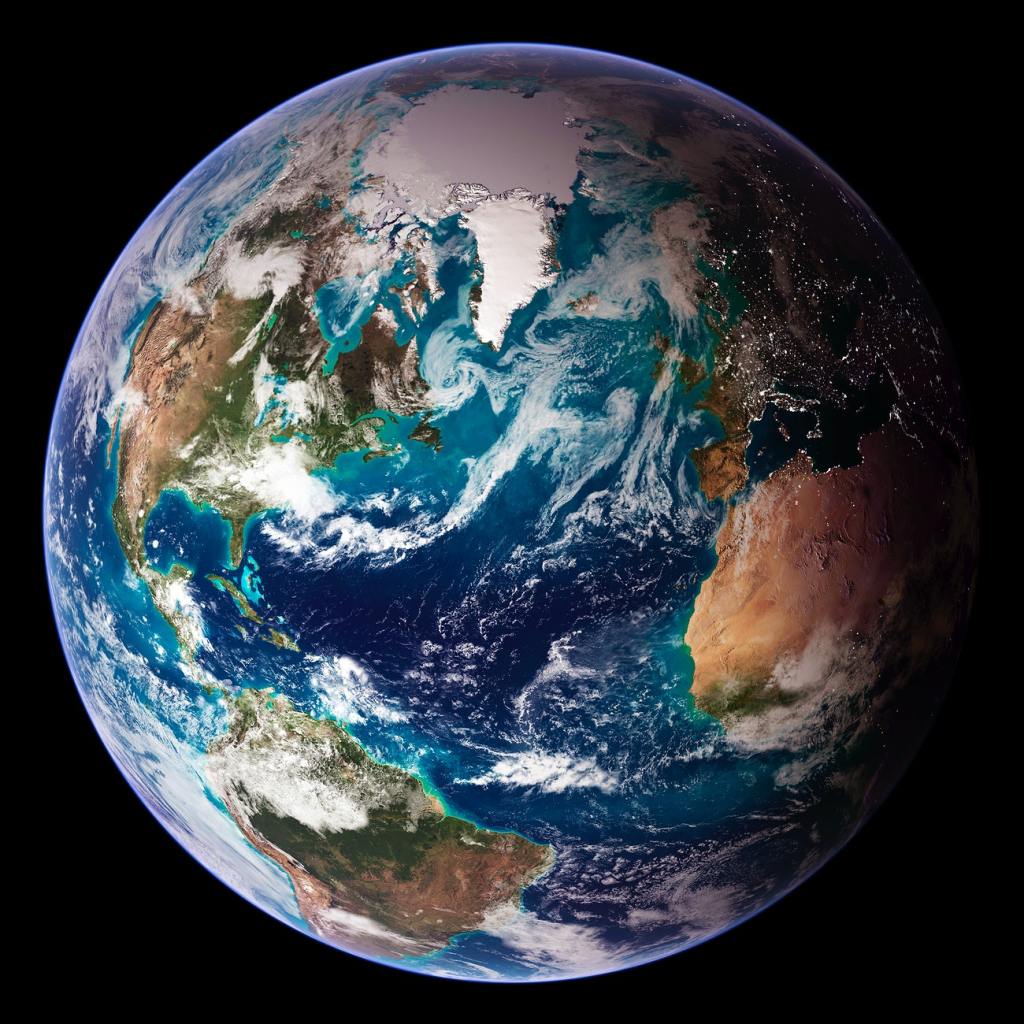
While different interpretations of the meaning behind the divine image have been presented, it has been generally accepted that humans were created, at least in part, to rule over the nonhuman creation. Human beings have certainly lived up to this mandate in some sense. With the aid of the sciences and technological advancements, we are unquestionably the dominant species on planet earth. Human beings have spread to every continent, and are always finding new ways to do what would have seemed impossible only a few generations ago. While our species has certainly had its fair share of setbacks, we have, for the most part, grown increasingly numerous and powerful as our history has unfolded. At the same time, one must wonder if this was truly the destiny that our creator had in mind?
A more nuanced interpretation of the Imago Dei concept, suggests that we might have fulfilled the mandate while completely missing the point. What if our calling to “be fruitful and multiply” and “subdue the earth” was never intended as divine permission to pillage the earth for our pleasure, but was instead a call to live as faithful stewards, cultivating the goodness of the earth in a way that preserves, or even enhances, its glory? In the ancient Near Eastern world, an “image” (ṣelem) was often used to refer to a representative of the king. If we take this into consideration, then perhaps the dominion mandate has less to do with our domination of the natural world, and more to do with our calling to be representatives of God on earth. In this view, our task was not to use up the earth for our own benefit, but rather to act a stewards of the good earth, caring and preserving it as representatives of our heavenly King.
In view of the many ecological and environmental problems that we now face as a result of industrialization and poor management of resources, I believe that we, as Christians, must reconsider the theological ideas that may have contributed to the ongoing ruination of the natural world. One could argue that a theology which would allow for the abuse and misuse of creation cannot be Christian. It would not be difficult to argue that our tendency to neglect the natural world has more in common with the Gnostic movement, which taught that the material world as unimportant and dispensable in view of the eternal soul, than with Biblical Christianity. Perhaps a good step forward is simply acknowledging our error and repenting of our neglectful attitude towards the good gift of God’s creation.
While I do not know how our society could realistically change the course of history we are currently on, I do think reclaiming a more biblical worldview of creation is the place to start. It is unrealistic to think that human beings can live in the world without shaping it, but we could possibly live in the world in a way that minimizes harm and maximizes the goodness of creation. I think this begins by changing our goals away from profit or comfort and towards sustainability and a holistic view of the created order. After all, a long view of human flourishing would require the healthy continuation of the non-human world. Can we take from the world what we need while also being a net-good for the world in which we live? I believe it is possible.
How can we do this? To pull from the collective wisdom of Stanley Hauwerwas, Wendell Berry, and Joe Saladin, I suggest that we begin with small acts of love and care for the place we live. There seems to be a prevailing assumption that change must come from the top down. We assume that the only way to make a difference is to vote it into legislation or by petitioning those in positions of power to make changes on our behalf. This is one way, but it is not the only way. Alongside advocacy and activism, we must learn to model the world that we wish to create. As Christians, we should seek to live lives that show ourselves to be good stewards of the earth, while simultaneously recognizing that the continued well-being of the Created order depends on God.
As part of our growing sanctification, we should consider how we can make changes to our lives that would maximize the good and minimize harm. Simple things like planting a garden, choosing to walk instead of driving when possible, valuing the reusable as opposed to the disposable, or simply finding contentment in what we have instead of being mindless consumers, all of these things can go a long way if they were understood as values in line with the biblical worldview.
I am a believer that steady gradual change is almost always more effective than dramatic “quick fixes.” Which is why, on this earth day I suggest we start small. Honoring the Creator by honoring His creation is a form of worship, and being a biblical steward of the land we have been given is one way to express love for our neighbors. So perhaps this earth day would be the perfect opportunity to give thanks to God for the goodness of His creation, to repent of our poor stewardship, and to commit ourselves to better care for our world in a more holistic and God honoring way.
 hardincrowder.com