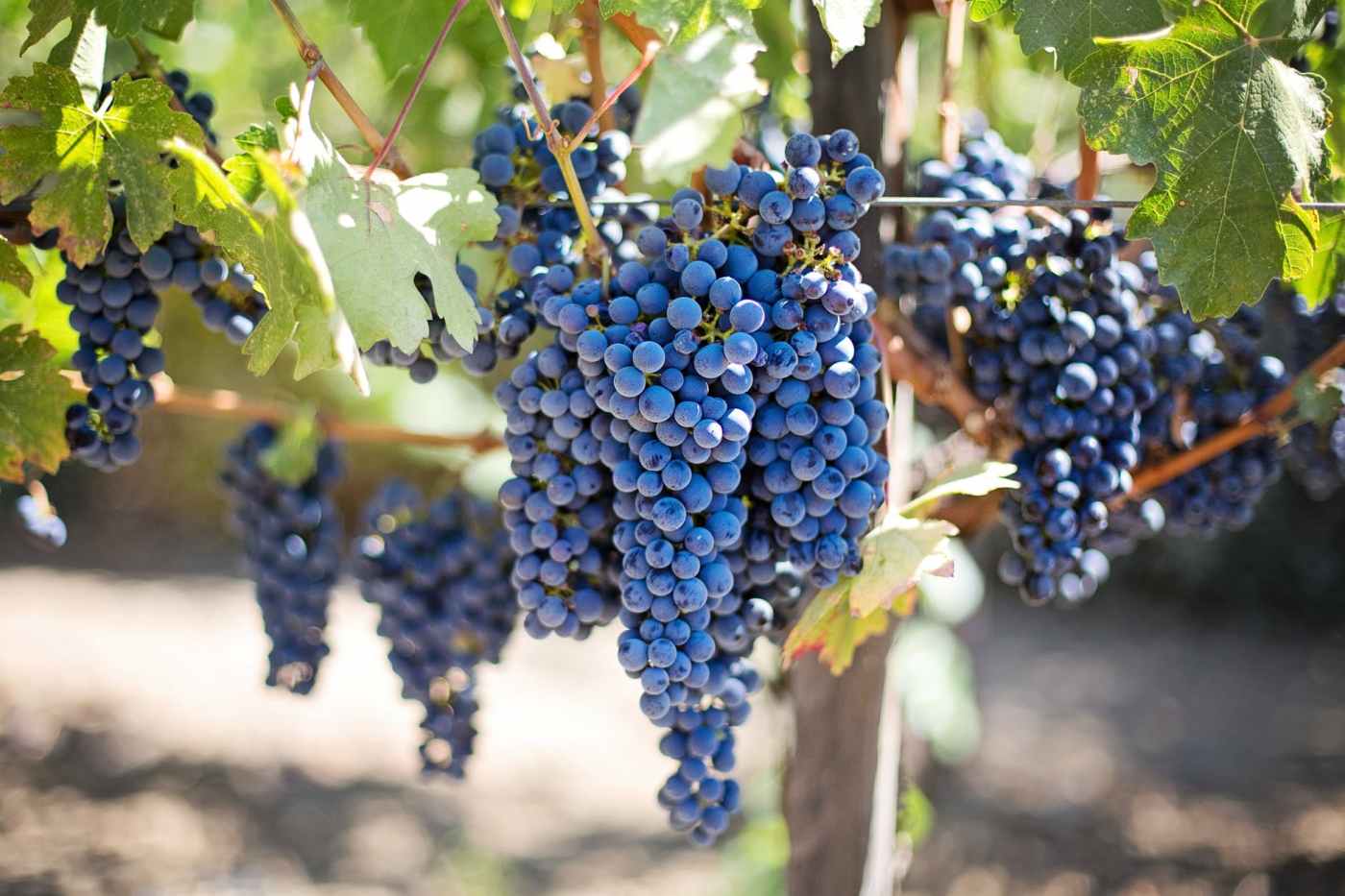
On the third day there was a wedding at Cana in Galilee, and the mother of Jesus was there. Jesus also was invited to the wedding with his disciples. When the wine ran out, the mother of Jesus said to him, “They have no wine.” And Jesus said to her, “Woman, what does this have to do with me? My hour has not yet come.” His mother said to the servants, “Do whatever he tells you.”
Now there were six stone water jars there for the Jewish rites of purification, each holding twenty or thirty gallons. Jesus said to the servants, “Fill the jars with water.” And they filled them up to the brim. And he said to them, “Now draw some out and take it to the master of the feast.” So they took it. When the master of the feast tasted the water now become wine, and did not know where it came from (though the servants who had drawn the water knew), the master of the feast called the bridegroom and said to him, “Everyone serves the good wine first, and when people have drunk freely, then the poor wine. But you have kept the good wine until now.” This, the first of his signs, Jesus did at Cana in Galilee, and manifested his glory. And his disciples believed in him.
John 2:1-11, ESV
On Weddings, Water, and Wine
When we contemplate the life and ministry of Jesus, we might struggle to discern the meaning behind certain events. Why was Jesus born in a manger? Why did he wait until so late in his life to begin his earthly ministry? Why was his baptism immediately followed by a solo journey into the wilderness to be tempted? While all of these questions have answers, we sometimes have to go deeper than a surface level reading to uncover what was being communicated. The turning water into wine at the wedding in Cana is no exception. While it is one of Jesus’ most famous miracles, and probably the first public miracle he performed, the message behind it might have been muddied with time. It is for this reason that we need to do our best to put ourselves into the cultural and religious mindset of those who attended the wedding on that faithful day.
Keep in mind that weddings are major celebrations in most cultures, and this was certainly the case in Jesus’ culture. Hebrew weddings in the first century were elaborate celebrations that lasted a long time. Weddings were community events, and big crowds were expected. The wedding ceremony typically took place in the evening following a large banquet style feast, after which, the couple would be paraded through town on the way to their home and their new life together. For the duration of the wedding celebration, the couple was given highest honor and treated with an almost royal amount of respect. Sometimes they even wore crowns and special robes to set them apart from everyone else in attendance. If you were among the Jewish lower class, this event was likely the only time in your life when you would receive so much admiration and attention.
It is also worth noting that wine was an essential part of the wedding banquet. In scripture we see wine frequently used as both a celebratory beverage and as a drink with ceremonial and religious significance. A wedding without wine was inconceivable. I highly doubt this wine shortage was the result of someone underestimating the amount of wine they would need. It was expected that any wedding banquet would be overflowing with abundance. No, I suspect the shortage of wine was the result of an inability to purchase enough wine for the celebration, which would have been seen as an insult to the guests and as a great failure on the part of the young couple. Imagine the anxiety and dread the young couple must have felt upon realizing that the happiest day of their life might become a longstanding mark of shame on their new life together. In an honor-shame culture like first-century Palestine, this was a serious problem.
On Mary and Jesus’ Discourse
The next thing we are told is that Mary, the mother of Jesus, realizes the situation unfolding. In an act of faith, she turns to Jesus, informing him that, “They have no wine.” I wonder why John included the detail that it was Mary who brought the situation to Jesus’ attention. We are never told about the wedding ceremony of Joseph and Mary or how her pregnancy with Jesus during their betrothal affected their ceremony. Perhaps Mary knew something of the embarrassment that comes from having your wedding day, the day you looked forward to all your life, altered by circumstances beyond your control? Maybe her concern and her commanding the servants indicates that she was may have played a part in planning the wedding? Or maybe it was just a moment of compassion on the part of Mary the mother of Jesus? We can only speculate on this matter.
Jesus replies “Woman, what does this have to do with me? My hour has not yet come.” While referring to one’s mother as “woman” sounds disrespectful to modern ears, I do not believe that was the intent, nor do I believe that is how the words were taken. In fact, Jesus lovingly refers to his mother in the same way from the cross (John 19:26). I believe that Mary’s response in telling the servants to “do whatever he tells you” indicates that she understood her son’s desire not to fully reveal himself at this time while also trusting him to do right by this young couple in distress. Jesus will go on to perform a public miracle, but he will do so in a way that only his mother and a handful of servants would know the miraculous origin of the wine. In this way Jesus blesses the young couple, honors his mother, and guards his messianic identity all at the same time.
On Emptiness and Abundance
We are told “there were six stone water jars there for the Jewish rites of purification, each holding twenty or thirty gallons” which Jesus commands the servants to fill. After the containers are filled the water is served to the master of the feast, only the water is no longer water! Somehow the water has been miraculously transformed into new wine, which the master of the feast comments on as being even greater than the first wine. The absence of wine, which would have been the couple’s great shame, has been miraculously transformed into abundant new wine, which the guest will now drink in their honor! It is in these details that I believe John leads us to the deeper meaning behind this miracle.
One detail that is easy to skim over is the sheer size of the stone jars. When added together these containers would hold one-hundred and eighty gallons of water! While the wedding guests would have expected an abundance of wine, they would never have expected one-hundred and eighty gallons! This abundance of new wine is also a sign pointing to Christ as the promised Messiah of old. The prophets frequently used the imagery of abundant wine as a symbol of the fruitfulness and provision that God would bring about through the Messiah’s deliverance (see Joel 3:18; Amos 9:13-14; Isaiah 55:1; Jeremiah 31:12). Is it any wonder that the first public miracle of Jesus would be that of abundance and celebration?
The absence of wine also has gospel implications. Running out of wine on the wedding day would have been a mark of great shame, but the couple’s shame has been replaced with an overabundance that will now be lauded their honor. Where this couple fell short, Christ provided abundantly. This is a reminder of Christ’s saving work for sinners whose lives fall short of the glory of God (Romans 3:23). Our righteousness will never satisfy God’s holiness, but in Christ we have an imputed righteousness that meets our every need. Christ is both our new wine (Luke 5:37-38) and the abundant living water which will never leave us to thirst again (John 4:14).
On Marriage and The Gospel
It is also fitting to note that this miracle took place at a wedding banquet. Both Old Testament and New Testament authors used wedding imagery as a metaphor for the gospel that the Messiah would bring. Isaiah describes salvation as having been “clothed with garments of salvation” by the Lord, and dressed with“robes of righteousness, as a bridegroom… and as a bride…” (Isaiah 61:10). Jesus would use wedding imagery to describe himself as the bridegroom seeking out his bride (Matthew 25:1-46; Mark 2:19-20) The Apostle Paul saw the atoning sacrificial love of Christ as the standard of all love, but especially love in the context of marriage (Ephesians 5:22-27). The Apostle Paul also makes references to the church as Christ’s bride (2 Corinthians 11:2). And in John’s Revelation, we see the image of a wedding feast used to describe the splendor of heaven and the reunion of Christ as his bride, the church (Revelation 19:6-10).
As Tim Keller famously said:
“The Bible begins and ends with a wedding.”
Tim Keller
So what could be a more fitting occasion to inaugurate the earthly ministry of Jesus than by saving a wedding gone wrong? What could be a more fitting metaphor for the ministry of Christ than turning shame into celebration and scarcity to abundance? In truth, this wedding provided a perfect metaphorical setting for our Lord to begin his ministry of miracles.
On Transforming Ritual into Celebration
The last noteworthy detail that I found comes from the original use of these large jars of water. John tells us that these containers were meant to be store water for ritual purification, but Jesus transformed their purpose. Instead of carrying the water of ritual purity, they carried new wine for a wedding celebration. The water for ritual purification highlighted how our sin and our uncleanness separates us from God’s Holiness, but the new wine celebrated two becoming one in the covenant of marriage. The Old Testament law served to protect us, to convict us of sin, and to be a constant reminder of God’s Holiness. But Christ came to fulfill the demands of the Law on our behalf. Through his atoning work, he made us clean and sinless in a way that the rituals and laws of the Old Testament Law could not (see Hebrews 9-10). Jesus is the true and greater bridegroom who clothes us in his own righteousness, but he is also the great high priest and the lamb of God who takes away the sins of the world and removes all our unrighteousness (John 1:9; 1 Corinthians 5:7-8; 1 John 1:9). Now that we have been purified, justified, and redeemed once and for all; we can join in the celebration of new life!
As we conclude, I am reminded of another wedding parable from the gospel of Matthew, in which the kingdom of heaven is compared to a great wedding banquet prepared for the son of a great king (Matthew 22:1-14). In spite of the king’s generous offer, many refuse to join the feast and are rewarded for their insolence with utter destruction. Those who accept the kings invitation are welcomed in regardless of status or merit, but none can come unless the king calls them. This is the gospel for all who will hear it. We have been invited to join in a heavenly feast with abundant new life, unmerited forgiveness of sins, and an eternity spent enjoying our Heavenly Father’s good pleasure. The call has been issued and the feast is prepared. There is new wine in abundance and a seat at the table for you. You can come as you are, but you must decide to come. Will you join in the celebration by receiving the great gift of salvation freely offered to you?
 hardincrowder.com