Sermon Audio: LINK
Series Introduction:
Today is the fourth Sunday of our sermon series, “The Songs of Lent.” During this Lenten season, we have been on a journey through the Psalms, ancient songs that have guided the people of God through centuries of worship, reflection, and repentance. Today, we will focus on Psalm 23, also known as the “Shepherd’s Psalm.” As we explore Psalm 23, we will consider how it speaks to our Lenten journey, reminding us of Christ’s ultimate sacrifice when He laid down His life for His sheep. His death and resurrection offer us the promise of eternal life, making us dwellers in the house of the Lord forever. As we gather today, let us open our hearts to the message of Psalm 23.
Scripture Reading:
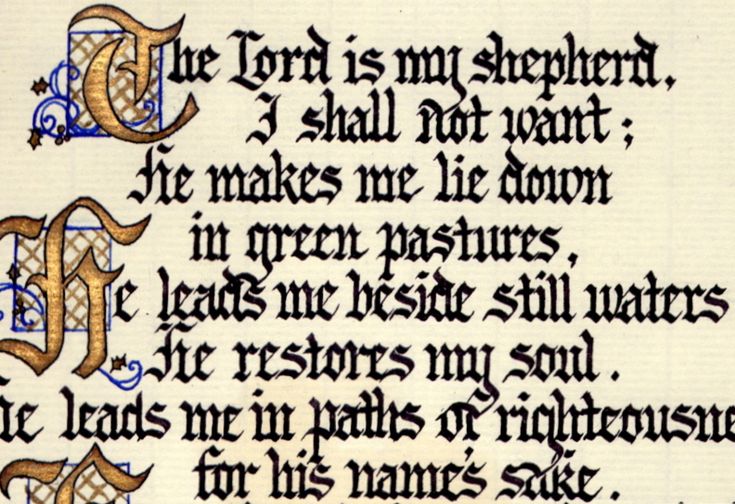
The Lord is my shepherd; I shall not want. He makes me lie down in green pastures. He leads me beside still waters. He restores my soul. He leads me in paths of righteousness for his name’s sake. Even though I walk through the valley of the shadow of death, I will fear no evil, for you are with me; your rod and your staff, they comfort me. You prepare a table before me in the presence of my enemies; you anoint my head with oil; my cup overflows. Surely goodness and mercy shall follow me all the days of my life, and I shall dwell in the house of the Lord Forever. (Psalm 23:1-6, ESV)
Opening Prayer:
Heavenly Father, we thank You for being our Good Shepherd, guiding us to green pastures and still waters, restoring our souls, and leading us in paths of righteousness. Help us to deepen our understanding of Your sacrificial love through Jesus Christ, who laid down His life for us. May we embrace You as our Jehovah Jireh, our provider, who meets all our needs with abundant grace.
The Good Shepherd’s Provision:
“The Lord is my shepherd; I shall not want” (Psalm 23:1, ESV) is a testament to God’s character as our provider. One of the many names ascribed to God in the scriptures is “Yahweh Yireh” or “Jehovah Jireh,” meaning “The LORD who foresees” or “The LORD will see to it.” This title highlights God’s ability to foresee and supply the needs of His creation. God’s provision spans all creation, clothing the Lillies of the valley and providing food and shelter for the tiniest sparrows. Yet, God’s provision also has a special significance for His people.
The Bible details numerous instances where God meets the physical needs of His followers, from providing manna and water in the wilderness for his people to feeding Elijah by the mouths of ravens during a drought and the miraculous accounts of Jesus’ feeding of thousands. These stories are not just historical accounts; they are testimonies to God’s active, practical provision in the lives of those who trust Him. As The Apostles Peter and Paul both boldly declared in their writings to the early church:
“His divine power has granted to us all things that pertain to life and godliness, through the knowledge of him who called us to his own glory and excellence.” (2 Peter 1:3, ESV).
“And my God will supply every need of yours according to his riches in glory in Christ Jesus.” (Philippians 4:19, ESV).
This is a foundational truth of our faith. I will go so far as to say that many of Christ’s commands will always feel impossible to live up to until we learn to live in the reality that God is “Jehovah Jireh,” the God who knows, who sees, and who provides. As the Lord himself taught his disciples:
“Therefore do not be anxious, saying, ‘What shall we eat?’ or ‘What shall we drink?’ or ‘What shall we wear?’ For the Gentiles seek after all these things, and your heavenly Father knows that you need them all. But seek first the kingdom of God and his righteousness, and all these things will be added to you.” (Matthew 6: 31-33, ESV)
But where does the name “Jehovah Jireh” come from? Interestingly, this name is revealed at a moment of extreme trial and faith. Going all the way back to Genesis 22, we see how God tests Abraham’s faith by instructing him to offer his son Isaac as a sacrifice on Mount Moriah. Abraham, demonstrating unwavering faith and obedience, prepares to carry out God’s command. However, just as Abraham is about to sacrifice Isaac, an angel of the Lord intervenes, halting the act. The angel commends Abraham’s faithfulness and obedience, and God provides a ram caught in a thicket as a substitute sacrifice.
This event not only reaffirms God’s covenant with Abraham but also foreshadows God’s ultimate provision of Jesus Christ as the sacrificial lamb for humanity’s sins. Just as Isaac carried the wood for the burnt offering up the mountain, so too did Christ carry His cross to Golgotha. In both instances, obedience and submission to the will of God are prominently displayed. Just as God provided a ram in the thicket for Abraham as a substitute sacrifice, He provided His Son as the ultimate sacrificial lamb for our sins, addressing our deepest need, the need for redemption and reconciliation with God.
In John 3:16, we read, “For God so loved the world, that he gave his only Son, that whoever believes in him should not perish but have eternal life.” This truth highlights the nature of God as Jehovah Jireh, the Lord who provides. When we could not save ourselves, our ever-good and ever-faithful God provided salvation for us. However, this is only the first of many truths about God that are revealed to us in Psalm 23.
The Good Shepherd’s Guidance
In Psalm 23:2-3, we see that God not only provides for us, but He also guides us.
“He makes me lie down in green pastures. He leads me beside still waters. He restores my soul. He leads me in paths of righteousness for his name’s sake.” (Psalm 23:2-3, ESV).
This passage emphasizes the incredible rest and restoration that can be found in God’s presence and His guidance toward righteousness. Through the story of Exodus, we see how the nation of Israel, God’s Chosen people, came into existence through God leading them out of slavery and into the Promised Land. This forty-year journey was full of examples of miraculous provision, as well as constant guidance and correction from the Lord. The Lord truly was their shepherd, leading them through the wilderness to greener pastures.
Still, it is important to recognize that the “holy land” the Hebrews aspired to is a mere shadow of the spiritual home we seek. This Lenten season calls us to trust God’s provision, just as the Israelites relied on God’s guidance during their wilderness journey. Our promised land is far greater than any earthly land could ever be. Our home is in heavenly glory, and though we are still in the midst of the wilderness journey we call life, we have a good shepherd who will bring us home. Jesus himself declared,
“I am the good shepherd. The good shepherd lays down his life for the sheep” (John 10:11, ESV).
His ministry extends beyond providing for our physical needs. Through His sacrifice, Jesus becomes our salvation, our guide to the Father. Recognizing our need for God’s guidance, we are called to seek and submit to God’s will. One might be tempted to say, “This is all good and well, but I cannot reach out and touch Jesus as the Disciples did, nor can I see God leading me as a cloud by day and a pillar of fire by night as Israel did in their wilderness journey. How can I follow the guidance of one I cannot see or hear?” To that, I say God has provided abundantly all that we need.
If you want God to speak to you, open up his divinely inspired word and read it prayerfully, meditatively, and carefully. If you struggle to understand God’s Word, lean on the body of Christ, the church (her teachers and the wisdom of her members), to help guide you into truth. Most importantly, listen to the Holy Spirit, which dwells within all believers. I guarantee you that if you are a born-again child of God who is humbly and prayerfully seeking God’s will under the guidance of God’s Word and with the help of Christ’s Church, then you will receive guidance from the Holy Spirit to assist you in decisions, challenges, and in all areas of your Christian walk.
As the Apostle Paul reminds us,
“For all who are led by the Spirit of God are sons of God.” (Romans 8:14, ESV).
God is not far from any of us. The Holy Spirit works in tandem with Scripture, guiding us into all truth and enabling us to live out God’s will. The problem is many of us are “like sheep who have gone astray” (Isaiah 53:6, ESV), and we need to learn anew how to listen for and obey the voice of our Good Shepherd.
No Fear In The Valley
Learning to hear and obey the voice of God, our good shepherd, is essential for living a Christian life. Unfortunately, far too many self-professed Christians have learned to tune out the voice of the shepherd when times are good, to the point where when bad times come, they can no longer hear Him crying out for them. But just because we have made His voice hard to hear, that does not mean He is not there – calling out to you. As the Psalmist reminds us:
“Even though I walk through the valley of the shadow of death, I will fear no evil, for you are with me; your rod and your staff, they comfort me.” (Psalm 23:4, ESV)
The term “צלמות” (tzalmavet) in Hebrew, translated as “the shadow of death,” signifies more than a physical threat; it encompasses the deepest spiritual and emotional trials one can endure. It’s a metaphor for those times in life when despair seems to overshadow hope and fear looms large. Yet, in this darkness, the psalmist is fearless in the protective presence of God.
Notice that the shepherd’s role is not passive but actively protective and guiding. In dangerous valleys, the shepherd’s presence is both a comfort and a defense against threats. This parallels the assurance found in Deuteronomy 31:6, where God encourages His people with the promise;
“Be strong and courageous. Do not fear or be in dread… for it is the Lord your God who goes with you. He will not leave you or forsake you.” (Deuteronomy 31:6, ESV).
Just as the shepherd leads the sheep through perilous valleys to reach greener pastures, Christ’s journey through death itself was undertaken for our salvation. He has traversed the ultimate valley (the valley of death) on our behalf, ensuring that we need not fear any evil.
As we reflect upon the valley of the shadow of death, I am reminded of the words of the Apostle Paul, who endured beatings, imprisonment, and eventually martyrdom for the Lord and yet was able to declare with full assurance;
“For I am sure that neither death nor life, nor angels nor rulers, nor things present nor things to come, nor powers, nor height nor depth, nor anything else in all creation, will be able to separate us from the love of God in Christ Jesus our Lord.” (Romans 8:38-39, ESV).
The depiction of the shepherd’s “rod” and “staff” reflects the twofold nature of God’s care for us: The “rod” is a defensive tool for shepherds, protecting their flock from harm. This illustrates God’s safeguarding of us from spiritual dangers and the trials we face. Conversely, the “staff” aids shepherds in guiding their sheep and keeping them from harm’s way, symbolizing God’s direction and corrective love in our lives.
While no one enjoys discipline or correction, we should be grateful that the Lord loves us enough to correct and discipline us:
“For the Lord disciplines the one he loves, and chastises every son whom he receives.” (Hebrews 12:6, ESV).
God’s discipline is an act of love, meant not to punish but to correct and instruct, fostering our growth in righteousness as indicated. The ultimate aims of God’s discipline and guidance are to draw us into a deeper alignment with His will, ensure our welfare, promote our spiritual development, and prepare us for an everlasting life with HIm. Although the journey of discipline may be demanding, it’s structured to cultivate a spirit of righteousness and peace in those who embrace His training.
Jesus’ crucifixion and resurrection is the quintessential example of walking through the “valley of the shadow of death” and emerging victoriously. Through His sacrifice, Jesus has vanquished the powers of sin and death, assuring us that we need not fear any evil. This victory is articulated in 1 Corinthians 15:55-57, where Paul triumphantly asks,
“O death, where is your victory? O death, where is your sting?” The sting of death is sin, and the power of sin is the law. But thanks be to God, who gives us the victory through our Lord Jesus Christ. (1 Corinthians 15:55-57, ESV).
During Lent, as we reflect on the magnitude of Christ’s sacrifice, we find strength in knowing that our Savior has traversed the darkest valleys ahead of us. He is intimately acquainted with our fears and offers His presence as a source of comfort and protection. This is a time to recognize our dependence on God’s protective guidance and to celebrate the victory over death that Christ has won on our behalf. As we navigate our personal valleys, may we find comfort in the presence of our Good Shepherd, whose rod and staff guard and guide us toward eternal life.
The Banquet of Grace:
As we approach the culmination of Psalm 23, the Psalmist presents us with a vivid depiction of God’s lavish care. The verse “You prepare a table before me in the presence of my enemies” (Psalm 23:5, ESV) serves as a powerful metaphor for God’s provision and grace amidst trials. This imagery draws from the historical narrative of the Israelites, who experienced God’s provision in the wilderness and were promised victory over formidable adversaries in the promised land. The acts of anointing and the metaphor of an overflowing cup further symbolize the abundance and boundless blessings from God, underscoring the Psalmist’s deep trust in God’s ceaseless generosity and protection.
This portrayal of a grand banquet extends its thematic reach beyond the confines of Psalm 23, aligning with the heavenly feast depicted in Isaiah 25:6-9. Here, the Lord is shown hosting a grand banquet for all nations, featuring rich foods and aged wine, signifying the defeat of death and the erasure of mourning. This feast serves as a precursor to the everlasting joy and communion promised to those who place their trust in God.
Transitioning to the New Testament, the imagery of the banquet continues, particularly within Jesus’ parables, such as the Parable of the Great Banquet (Luke 14:15-24). This parable utilizes the banquet motif to illustrate the kingdom of God as a grand celebration open to all, though not everyone chooses to partake. This banquet imagery embodies the inclusivity and grace inherent in God’s invitation to salvation and eternal life, directing our attention to the ultimate congregation in heaven.
Moreover, the Last Supper, as chronicled in the Gospels, reinforces the banquet theme. Jesus presents Himself as the bread of life and the cup of the new covenant, prefiguring His impending sacrifice and resurrection. This moment serves as a reminder that access to the heavenly feast is made possible only through Christ’s sacrifice.
Revelation 19:6-9 brings this banquet motif to a climactic conclusion with the Marriage Supper of the Lamb, symbolizing Christ’s union with His church. This event signifies the culmination of God’s redemptive mission and the celebration of eternal life with Him.
This exploration prompts reflection on the magnitude of Christ’s sacrifice and the salvation He extends to us. Just as a table was prepared in the wilderness for the Israelites and for David among foes, Christ prepares a spiritual feast for us, serving both as host and sustenance, offering the gift of eternal life. The season of Lent invites us to meditate on our adversities and oppositions yet also to remember the vast grace available to us through Christ.
Goodness and Mercy Follow Me:
Psalm 23 ends with the comforting promise that, “Surely goodness and mercy shall follow me all the days of my life, and I shall dwell in the house of the LORD forever” (Psalm 23:6, ESV).
Notice that the Lord’s mercy is not reactive; it is proactive. It prepares our hearts even before we desire to turn towards Him, igniting a spark of will to seek His grace. The Lord’s protection is both a shield before us and a guardian beside us, navigating us through life’s trials and the snares of the devil. Just as a shepherd uses a rod for correction and staff for support, our Lord provides for our every need, correcting us when we stray, comforting us when we repent, feeding us with the bread of life, anointing us with the oil of gladness, and filling our cup to overflowing with His Word.
Every moment of our existence, every breath we take, is a testament to God’s generosity. We possess nothing that hasn’t been bestowed upon us by His grace. Let us then aspire to dwell in the “house of the Lord” all the days of our lives, not just as a future hope but as a present reality, living each day in His presence, under His mercy, and for His glory. In embracing the fullness of God’s mercy and love, may we find the ultimate fulfillment and the perfection of all good things as we journey towards the heavenly Jerusalem, guided by His grace, protected by His mercy, and sustained by His love, forever and ever.
Conclusion:
During Lent, we remember that Jesus, our Good Shepherd, has overcome the valley of the shadow of death and given us a way to eternal life so that we can dwell in the house of the LORD forever. Let this Lenten period encourage us to focus on the promise of eternal joy and peace with our Lord. Together, we look forward to the day when we join the heavenly chorus at God’s table.
Closing Prayer:
Father God, as we conclude our time together, we are profoundly grateful for the promises and comfort found in Psalm 23. We have been reminded of Your constant presence, Your provision, and Your guidance through every valley we face. As we move forward in this Lenten season, let the knowledge of Your love and the sacrifice of Jesus, our Good Shepherd, lead us from death to life, assuring us of our place in Your eternal abode. May the Holy Spirit guide us in truth, keep us in faith, and comfort us in trials as we anticipate the joyous celebration of the resurrection. Help us to live in the assurance of Your care, to seek first Your kingdom, and to rest in the promise of dwelling in Your house forever. We leave this space filled with gratitude, ready to share Your love and mercy with the world. In the precious name of Jesus Christ, we pray. Amen.
 hardincrowder.com