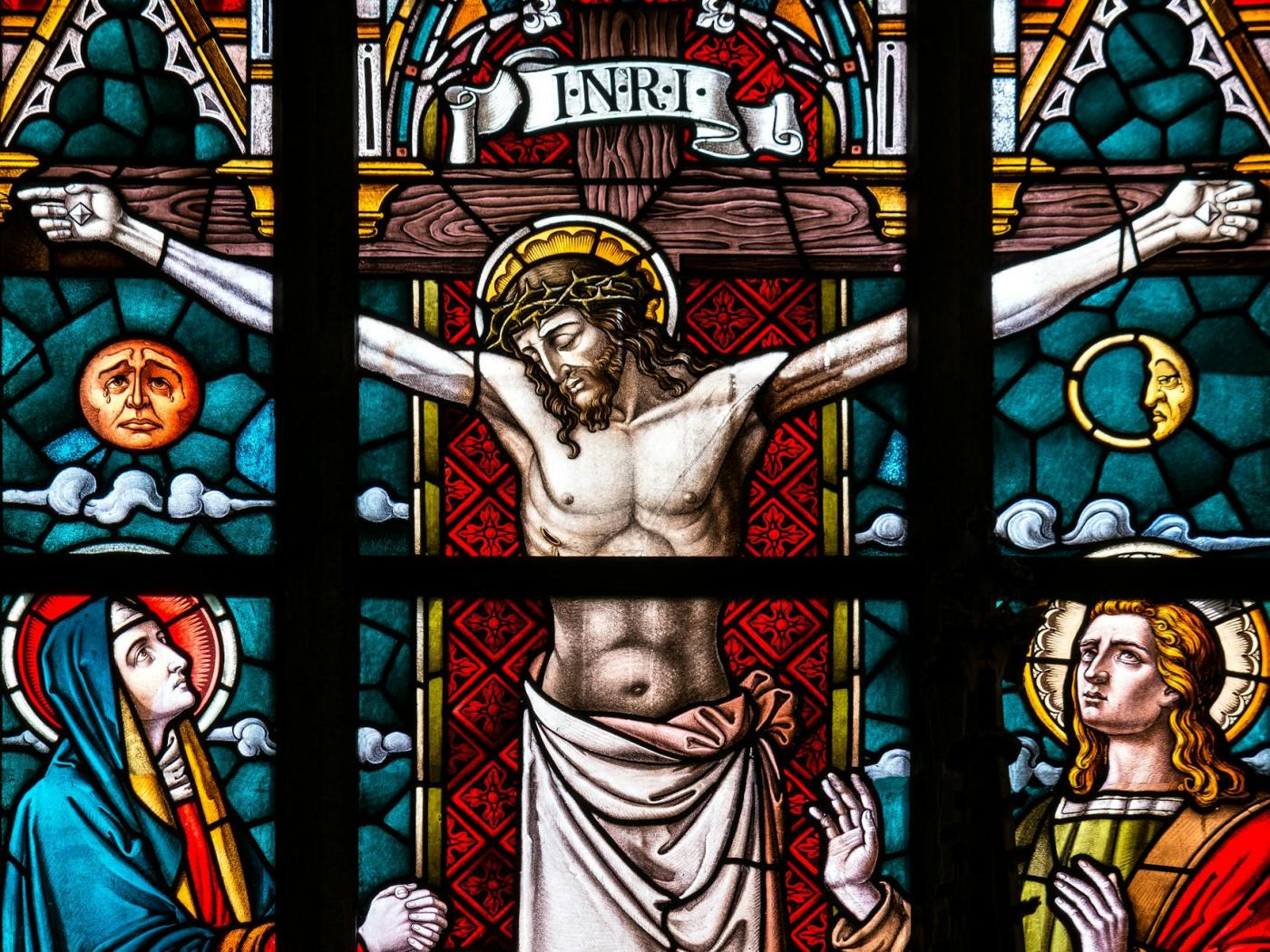
Holy Week, which leads up to Easter, is a deeply significant time for Christians, marking the final week of Jesus Christ’s life on Earth. Below are six devotionals that cover the major events of Holy Week, designed to facilitate reflection, discussion, and prayer.
Palm Sunday: Jesus’ Triumphal Entry into Jerusalem
Read:
Matthew 21:1-11
Devotional:
Imagine the streets of Jerusalem, alive with anticipation and the air thick with excitement. Here comes Jesus, not with the thunderous pomp of earthly rulers, but in a manner that turns every expectation on its head: riding on a donkey, a symbol of peace and humility. This breathtaking scene from Palm Sunday isn’t just a fulfillment of an ancient prophecy by Zechariah; it’s a vivid, living picture of the kind of King Jesus is. And oh, how desperately we need such a Savior!
As the crowds laid down their palm branches and cloaks, paving the way for this humble King, we’re invited to reflect on our own response to Jesus’ call. He enters Jerusalem, setting His face towards the ultimate sacrifice on the cross, all out of love for us. This act of unparalleled love and humility begs the question: how do we welcome Him into our lives? When the Gospel is preached, do we open our hearts, eagerly saying, “Hosanna! Save us, Lord”?
Palm Sunday beckons us to embrace this incredible juxtaposition: a King who seeks to reign not with force, but through service and sacrifice. In this moment of triumph, as we recall Jesus’ majestic yet meek entry, let’s prepare our hearts to truly hear the Word, inviting Him in with a sincere “Hosanna.” For in Jesus, we find a King like no other, a Savior willing to lay down everything for us. How then shall we respond to such a call?
Discussion & Reflection Questions:
1. How does Jesus’ approach to kingship challenge our world’s definition of power and success?
2. Reflect on a time when you had to embrace humility or sacrifice. What was the outcome?
Prayer:
Lord Jesus, as we remember Your triumphant entry into Jerusalem, help us to lay down our lives and desires as the people laid down their cloaks and branches before You. Teach us to serve and love with humility. Amen.
Holy Monday: Jesus Cleanses the Temple
Read:
Mark 11:15-19
Devotional:
Picture the scene on Holy Monday: Jesus steps into the Temple, His gaze sweeping over the crowded space where commerce has choked the air meant for prayer. With a zeal that stirs the heart, He overturns tables, scattering coins, driving out those who’ve turned a sacred place into a marketplace. This isn’t just a moment of cleansing but a powerful statement about what worship truly means. It’s Jesus declaring that the Temple, His Father’s house, should be a sanctuary for all nations, a place where the purity of prayer overshadows the pursuit of profit.
This stirring episode isn’t just historical; it’s a call echoing through the ages to us. It challenges us to examine our own temples; our hearts, our homes, our churches. Are they filled with distractions and selfish desires, or are they spaces where true worship flourishes? Jesus’ actions remind us that God’s presence demands our reverence and invites us to a worship that’s pure, selfless, and inclusive.
As we reflect on this, let’s also remember the transformative power of God’s grace and mercy, symbolized by the fire of the Holy Spirit that purifies and prepares us to be living stones in His eternal temple. This Holy Monday, let us ask ourselves: How can we cleanse our lives of what hinders our relationship with God?
Discussion & Reflection Questions:
1. What does this story teach us about the importance of worship spaces and their uses?
2. Are there areas in your life that need cleansing or renewal to fully serve God?
Prayer:
Heavenly Father, give us the courage to cleanse our hearts and our communities, making them true houses of prayer. Help us to prioritize Your will above our desires and conveniences. Amen.
Holy Tuesday: The Olivet Discourse
Reading:
Matthew 24:1-14
Devotional:
Imagine standing on the Mount of Olives, the ancient city of Jerusalem unfolding before you, as Jesus weaves a narrative of the future, painting pictures of the end times with His words. This is the setting of the Olivet Discourse on Holy Tuesday, where Jesus, with urgency and compassion, shares teachings that would stretch across ages: parables of vigilance, faithfulness, and the unwavering hope of His return. It’s a profound call to look beyond the immediate, to anchor our lives in the eternal and to serve with a heart tuned to heaven’s rhythms.
In this discourse, Jesus doesn’t shy away from the truth. He lays bare the challenges that lie ahead: wars, natural disasters, persecution, and the rise of deception. Yet, through this stark reality, He threads a hopeful promise the assurance of His return. Like the master of a house who may come back at any hour, Jesus calls us to be ready, our lives a testament to our faithfulness to Him.
How then can we stand firm, our faith unshaken by the trials and tribulations of this world? The answer lies in the steadfast hope of Jesus’ second coming. This isn’t merely a future event to await but a present reality to live by. The question that Holy Tuesday poses is not if but how we are preparing for Christ’s return. Are we living as faithful servants, our lives a beacon of His love and hope?
Discussion & Reflection Questions:
1. How does Jesus’ teaching about the end times affect your daily life and decisions?
2. In what ways can you better prepare for Jesus’ return, spiritually and in your actions towards others?
Prayer:
Lord, keep us watchful and faithful, focused on Your kingdom and righteousness. Guide us in living lives that reflect Your love and truth, always ready for Your return. Amen.
Holy Wednesday: The Plot Against Jesus
Read:
Matthew 26:14-16
Devotional:
Holy Wednesday draws our hearts into the shadows of betrayal that mark this pivotal moment in Holy Week. Judas Iscariot, one of the twelve chosen disciples, makes a fateful decision that echoes through history, a decision to betray Jesus for thirty pieces of silver. This act of treachery is a stark reminder of the cost of valuing the temporal over the eternal, of choosing worldly gain over divine truth. Judas, whose name ironically means “confessor,” becomes a symbol of the perilous path that leads away from faithfulness, illustrating the tragic end of those who, having once embraced the light of Christ, turn their backs for the sake of greed or personal gain.
This narrative compels us to confront our own allegiances and to ponder the ways we might, consciously or unconsciously, betray Jesus in our daily lives. Are there moments when we exchange His enduring truth for fleeting pleasures or material rewards? Do we, like Judas, seek our own advantage at the expense of our relationship with Christ? The stark imagery of Judas receiving silver in exchange for the Savior prompts a deep reflection on our values and priorities. It’s a call to examine how we respond to Jesus’ presence in our lives and whether we are truly living as faithful stewards of the Gospel.
Yet, in the midst of this reflection, there’s also a profound invitation to redemption. Holy Wednesday is not just a day to lament Judas’ betrayal; it’s a day to recognize our own vulnerabilities and to recommit to a path of faithfulness. It’s a reminder that, even in our weakest moments, Christ’s grace is sufficient to restore and renew us. Let us take this time to affirm our devotion to Jesus, asking for the strength to remain steadfast in our faith and to resist the temptations that lead us away from Him. In doing so, we embrace the hope of Easter, the promise of resurrection and new life that shines even in the darkest moments of betrayal and loss.
Discussion & Reflection Questions:
1. In what ways can we sometimes betray Jesus in our daily lives?
2. How does understanding Judas’ betrayal help us to understand the gravity of our own sin and the need for repentance?
Prayer:
Merciful God, help us to see the ways in which we fall short and betray You. Lead us back to You in repentance and faithfulness, clinging to the grace You offer. Amen.
Maundy Thursday: The Last Supper
Read:
Luke 22:14-23
Devotional:
On Maundy Thursday, we step into one of the most intimate and transformative moments of Holy Week. Picture the scene: Jesus and His disciples, gathered around a table for what would be their last meal together. This isn’t just any dinner; it’s a profound encounter that would forever change the fabric of faith. Here, Jesus establishes Communion, inviting us into an ordinance that looks back in remembrance, engages the present moment, and leans forward in hopeful anticipation.
As Jesus breaks the bread and shares the cup, He’s not only foreshadowing His imminent sacrifice on the cross; He’s inviting His followers into a covenant of love and sacrifice. But the lessons of this night don’t end with the meal. In a display of startling humility, Jesus, the Master and Lord, kneels to wash the feet of His disciples. It’s a moment that challenges every notion of greatness and leadership in God’s kingdom, urging us toward a life of service and humility.
Maundy Thursday beckons us to live in the tension of memory and hope. As we remember Christ’s sacrifice, we’re drawn into a present engagement with Him, our lives marked by gratitude and allegiance. Yet, this is also a forward-looking practice. Jesus points us to the coming kingdom, stirring a hope that empowers endurance and calls us to live now as citizens of this future realm. This dual posture of looking back and looking forward enriches our faith, urging us not merely to remember but to live in a way that reflects Jesus’ radical call to love, serve, and give of ourselves.
Discussion & Reflection Questions:
1. How does Jesus’ example of foot washing challenge your understanding of leadership and service?
2. What does the practice of Communion mean to you personally?
Prayer:
Lord Jesus, as we remember Your Last Supper, instill in us a deep sense of Your love and sacrifice. Teach us to love one another genuinely, serving as You served. Amen.
Good Friday: The Crucifixion
Read:
John 19:16-30
Devotional:
On Good Friday, we stand in the shadow of the cross, a place of profound sorrow and unmatched love. It’s a day that pierces the heart with the stark reality of Jesus’ sacrifice, His body broken, His blood shed as a deeply personal act of love for each one of us. As Jesus utters, “It is finished,” we are invited into the mystery of redemption, the completion of a mission that spans the heavens and reaches deep into our hearts.
Imagine the scene at Calvary, not just as a moment of agony but as a testament to the unyielding compassion of Christ. Even in His final breaths, amidst the excruciating pain, Jesus’ concern was for others, the tender moment shared with His mother, Mary, and His disciple, John, is a reminder of the relational heart of God. This Good Friday, let us not only mourn the death of Jesus but also reflect on the radical community He calls us to be a part of where love is the tie that binds us, where compassion transcends our own trials, and where every believer is a brother, a sister, a mother in Christ.
As we contemplate the cross, let’s embrace the fullness of its message: a call to live and love with the sacrificial heart of Jesus, forming a community of faith that mirrors the love and devotion exemplified in His final hours. This is the legacy of Good Friday; a legacy of love, sacrifice, and a community built not on earthly ties, but on the eternal promise of redemption.
Discussion & Reflection Questions:
1. How does the story of the crucifixion impact your understanding of sacrifice and forgiveness?
2. What does Jesus’ sacrifice teach you about how to live your own life?
Prayer:
Almighty God, on this day, as we remember the sacrifice of Your Son, deepen our appreciation for Your unfathomable love. Grant us the grace to live in the light of the cross, transformed by its power. Amen.
Holy Saturday: The Silence of the Tomb
Read:
Matthew 27:57-66
Devotional:
On Holy Saturday, a day thick with anticipation yet shrouded in the solemnity of Jesus’ death. It’s a pause between the despair of the cross and the joy of resurrection, inviting us into contemplation of God’s mysterious workings even in apparent defeat. This day, marked by the stillness of Jesus lying in the tomb, is a reminder of the cost of our redemption and the depth of God’s love for us.
Holy Saturday beckons us to dwell in the tension of ‘already’ and ‘not yet,’ to live in the hope of what we know is coming, yet humbly accept what we cannot see. It’s a call to trust in the slow work of God, to let the story of salvation unfold in our lives, reminding us that even in moments of silence and waiting, God is moving. Let this day rekindle our faith in the promise of Easter, that in the darkest moments, when all seems lost, the dawn of God’s glory is just on the horizon, ready to break forth in radiant light.
Discussion & Reflection Questions:
1. How do you find hope and faith in times of waiting and uncertainty?
2. Reflect on a time when you felt like you were in a ‘Saturday’ season of life. How did you experience God’s presence or absence during that time?
Prayer:
Lord God, in the silence and sorrow of this Holy Saturday, teach us to wait on You with hope and trust. In the darkness of the tomb, help us remember the light of Your promise. Guide us through our seasons of waiting, and renew our faith as we look forward to the joy of Resurrection. Amen.
 hardincrowder.com
Leave a comment