Sermon Audio: LINK
Series Introduction:
Today, we reflect on the conclusion of the extraordinary life of Moses. From his humble beginnings as a Hebrew infant hidden in a basket to his adoption by Egyptian royalty, Moses’ journey was a testament to God’s guiding hand. Chosen by God, Moses led the Israelites out of slavery in Egypt, performing miracles such as the parting of the Red Sea. He received the Ten Commandments on Mount Sinai, establishing a covenant between God and His people. Throughout his life, Moses often interceded for the Israelites, pleading for God’s mercy when they strayed into idolatry.
However, Moses was not without his own struggles. Moses lost his patience, had his doubts, and struggled with the weight of leadership. Sometimes Moses failed. Thankfully, Israel’s hope was never truly in Moses. Moses was just the first of many who would lead the people, and while Israel would have many leaders, some righteous and some flawed, their ultimate hope was not in any human leader. Their true hope was in God, who delivered them, sustained them, and continued to guide them. God, the faithful shepherd, led His people through every trial and triumph, and He alone was their steadfast hope.
Scripture Reading:
Numbers 27:12-23, ESV – The Lord said to Moses, “Go up into this mountain of Abarim and see the land that I have given to the people of Israel. When you have seen it, you also shall be gathered to your people, as your brother Aaron was, because you rebelled against my word in the wilderness of Zin when the congregation quarreled, failing to uphold me as holy at the waters before their eyes.” (These are the waters of Meribah of Kadesh in the wilderness of Zin.) Moses spoke to the Lord, saying, “Let the Lord, the God of the spirits of all flesh, appoint a man over the congregation who shall go out before them and come in before them, who shall lead them out and bring them in, that the congregation of the Lord may not be as sheep that have no shepherd.” So the Lord said to Moses, “Take Joshua the son of Nun, a man in whom is the Spirit, and lay your hand on him. Make him stand before Eleazar the priest and all the congregation, and you shall commission him in their sight. You shall invest him with some of your authority, that all the congregation of the people of Israel may obey. And he shall stand before Eleazar the priest, who shall inquire for him by the judgment of the Urim before the Lord. At his word they shall go out, and at his word they shall come in, both he and all the people of Israel with him, the whole congregation.” And Moses did as the Lord commanded him. He took Joshua and made him stand before Eleazar the priest and the whole congregation, and he laid his hands on him and commissioned him as the Lord directed through Moses.
Opening Prayer:
Heavenly Father, we come before You today with hearts open and minds attentive to Your Word. We acknowledge Your sovereignty over all creation and Your profound wisdom guiding us through every season of life. As we delve into Your Scriptures, help us to grasp the deep truths contained within. Illuminate our understanding and soften our hearts to receive Your message. Lord, we seek the filling of Your Holy Spirit, desiring to be led and empowered by You in all that we do. Grant us the humility to learn from the examples set before us and the courage to apply these lessons in our own lives. May this time of reflection draw us closer to You and strengthen our faith. In Jesus’ name, we pray. Amen.
Introduction:
While we do not like to dwell upon it, death is a certainty we all share. Each one of us will face it, some sooner, some later, but it is inescapable. Unless the Lord returns first, the inevitable hand of death will touch us all. In Numbers 27, we witness Moses at the end of his earthly journey, preparing to leave this world and enter the eternal presence of God. God, in His infinite love and mercy, was ready to welcome Moses with open arms and give him a triumphant entrance into the kingdom of heaven. Yet, before Moses could pass away, there was one last divine task he had to complete. He needed to appoint a successor to lead God’s people into the Promised Land. This act of leadership was not just a transfer of authority but a testament to God’s enduring promise and faithfulness that transcends any one leader or any one generation.
God Prepares Moses for Death
In Numbers 27:12-13, we read, “The Lord said to Moses, ‘Go up into this mountain of Abarim and see the land that I have given to the people of Israel. When you have seen it, you also shall be gathered to your people, as your brother Aaron was.'”
For over forty years, Moses faithfully led the Israelites. This mighty servant of God, despite his greatness, faced moments of profound failure. One such moment occurred at Kadesh in the Wilderness of Zin. The Israelites ran out of water, and in their frustration and desperation, they gathered in opposition to Moses and Aaron. God instructed Moses to take his staff, gather the assembly, and speak to the rock to bring forth water. Yet, in a moment of frustration and exhaustion, Moses struck the rock twice with his staff instead of speaking to it as God had commanded.
Water indeed gushed forth, but Moses’ disobedience and lack of trust in God’s specific instruction had severe consequences. God said to Moses and Aaron in Numbers 20:12, “Because you did not believe in me, to uphold me as holy in the eyes of the people of Israel, therefore you shall not bring this assembly into the land that I have given them.”
Imagine the anguish in Moses’ heart, a man who had devoted his life to leading the Israelites out of Egypt and through the wilderness, guiding them according to God’s commands. Yet, in one moment of human frailty, he acted out of his own will rather than God’s, and this lapse prevented him from entering the land he had longed to see. The Promised Land, the culmination of his and Israel’s journey, would not be his to step into.
But, in His infinite mercy, God sought to comfort His weary servant. He instructed Moses to climb the mountain and view the Promised Land, a gesture of divine compassion and reassurance. Despite Moses’ sin, God poured out His grace, allowing him a glimpse of the land he had longed to enter.
Picture Moses standing atop the mountain, surveying the expanse before him. The emotions that must have washed over him, sorrow for his sin, yet overwhelming joy and assurance in God’s promises. In Deuteronomy 34:4, a similar account is found: “And the Lord said to him, ‘This is the land of which I swore to Abraham, to Isaac, and to Jacob, I will give it to your offspring. I have let you see it with your eyes, but you shall not go over there.'” This merciful glimpse was a testament to the reality of God’s promises. It was as if God said, “Moses, your faith in the Promised Land is not in vain. My promises are true and will be fulfilled.”
Moreover, God further comforted Moses by assuring him that he would be “gathered to his people” (v. 13). This phrase speaks of a reunion with those who had gone before him and an eternal dwelling in the presence of God. Moses would not enter the earthly promised land. However, he would join the company of the faithful, living eternally in the promised land of heaven.
In the New Testament, Jesus echoes this promise in John 14:2-3, “In my Father’s house are many rooms. If it were not so, would I have told you that I go to prepare a place for you? And if I go and prepare a place for you, I will come again and will take you to myself, that where I am you may be also.” The assurance Jesus offers highlights that the death of a believer is not marked by fear or dread but by a warm, tender, and touching experience of divine grace.
Paul, in 1 Thessalonians 4:13-14, writes, “But we do not want you to be uninformed, brothers, about those who are asleep, that you may not grieve as others do who have no hope. For since we believe that Jesus died and rose again, even so, through Jesus, God will bring with him those who have fallen asleep.” This passage reassures believers that death is not the end but the beginning of eternal life with God.
Just as God prepared Moses, giving him perfect assurance and confidence, so too does He prepare us. When our moment of death arrives, it is a transition from this world into God’s glorious presence. We move from the physical to the spiritual, from earthly struggles to heavenly rest. This promise fills us with hope and anticipation, knowing that God’s ultimate plan for us is eternal communion with Him.
The Faith Required to Say Goodbye
Notice that, as Moses faced the reality of his impending death, Moses did not dwell on his own plight. Instead, his response was marked by humility and deep concern for the welfare of God’s people. He pleaded with God to appoint a successor, ensuring the Israelites would not be left “as sheep that have no shepherd” (Numbers 27:17, ESV). This plea underscores Moses’ selfless leadership and his enduring commitment to the people he had led for so long.
For many faithful Christians, passing the torch can be an intensely difficult and emotional process. There is often a deep-seated worry about the next generation and whether they will carry on the mission with the same fervor and faithfulness. How easy it is to fall into the trap of thinking that God can work through us but not through those who come after us! Yet, this is a form of pride we must guard against. God’s plans are much greater than any one person, and His work continues through the generations.
Moses’ acceptance of God’s judgment without complaint and his focus on the needs of the Israelites is a testament to his character. He understood the people’s need for guidance and care, a sentiment that mirrors the compassionate spirit of Christ. In Matthew 9:36, we see a similar expression of concern from Jesus: “When he saw the crowds, he had compassion for them, because they were harassed and helpless, like sheep without a shepherd” (ESV).
Just as Moses cared deeply for the future of the Israelites, we, too, must invest in and disciple the next generation. Paul, in his letter to Timothy, emphasizes this: “What you have heard from me in the presence of many witnesses entrust to faithful men who will be able to teach others also” (2 Timothy 2:2, ESV). Our responsibility is to prepare them to carry on the task when we cannot. By nurturing and equipping the next generation, we ensure that God’s work continues.
My former pastor of ten years exemplified this principle in my life. Brother Brian recently retired after serving faithfully at the same church for twenty-nine years; he demonstrated remarkable dedication and foresight. I served alongside him for ten of those years, starting completely green and inexperienced while still in college as a student ministry intern. Before I left, I had advanced to associate pastor and Brother Brian’s right-hand man. The lessons I learned from the opportunities he gave me and from serving with him through the successes and failures of ministry were invaluable, far beyond what seminary could teach. Brother Brian intentionally went out of his way to give young people a chance to serve and grow. At one point, our staff included five ministers, with Brother Brian in his sixties, me in my early thirties, and everyone else in their twenties. Despite the potential headaches of hiring less experienced individuals, he often said that he saw his ministry team as an opportunity to pour into the next generation.
This is not just a passage for those of us who are in career ministry. I know that many faithful elder saints may fear for our friends and family because we feel like we are the only light of the gospel in their lives. The thought of not being there to guide them can be overwhelming. Yet, we must have faith that God will be with those we love, even when we are no longer able to be there for them. It is a humbling reminder that while our presence is temporary, God’s presence and guidance are eternal. Let us trust that God will continue to work in their lives, watering the seeds we have planted, just as He has worked through us.
Our faith must rest in God’s unchanging character and His promise to never leave nor forsake His people. As Deuteronomy 31:8 assures us, “It is the Lord who goes before you. He will be with you; he will not leave you or forsake you. Do not fear or be dismayed” (ESV).
This trust in God’s ongoing work through others brings us peace and assurance. It frees us from the burden of feeling irreplaceable and allows us to focus on the greater mission of expanding God’s kingdom with the time, energy, and talents we have been given. As we serve and lead with humility, we can be confident that God is faithfully raising up new leaders and nurturing the faith of those we care about, ensuring His work continues long after we are gone.
God Appoints Joshua:
What made Joshua the right man for the job? It wasn’t his natural talent or leadership ability. Rather, Joshua was chosen because he knew how to rely on God’s guidance more than anyone else in the camp. In contrast to Moses, who had moments of self-reliance, like when he struck the rock in Kadesh instead of speaking to it as God commanded (Numbers 20:11), Joshua’s primary qualification was his faithfulness and reliance on the Spirit. This shows us that true success in God’s work comes from divine guidance. Human strength and wisdom alone are insufficient for the challenges of spiritual leadership; it is only through the Spirit that we can fulfill God’s purposes.
God’s instruction to Moses to appoint Joshua as his successor was also a testament to His provision. Joshua had been Moses’ assistant for many years, gaining experience and demonstrating faithfulness and courage. He was one of the twelve spies who scouted the land of Canaan and, along with Caleb, confidently declared that Israel could conquer the land (Numbers 13:30; 14:6-9). Joshua’s unwavering belief in God’s promises and his leadership qualities set him apart as God’s chosen successor to Moses.
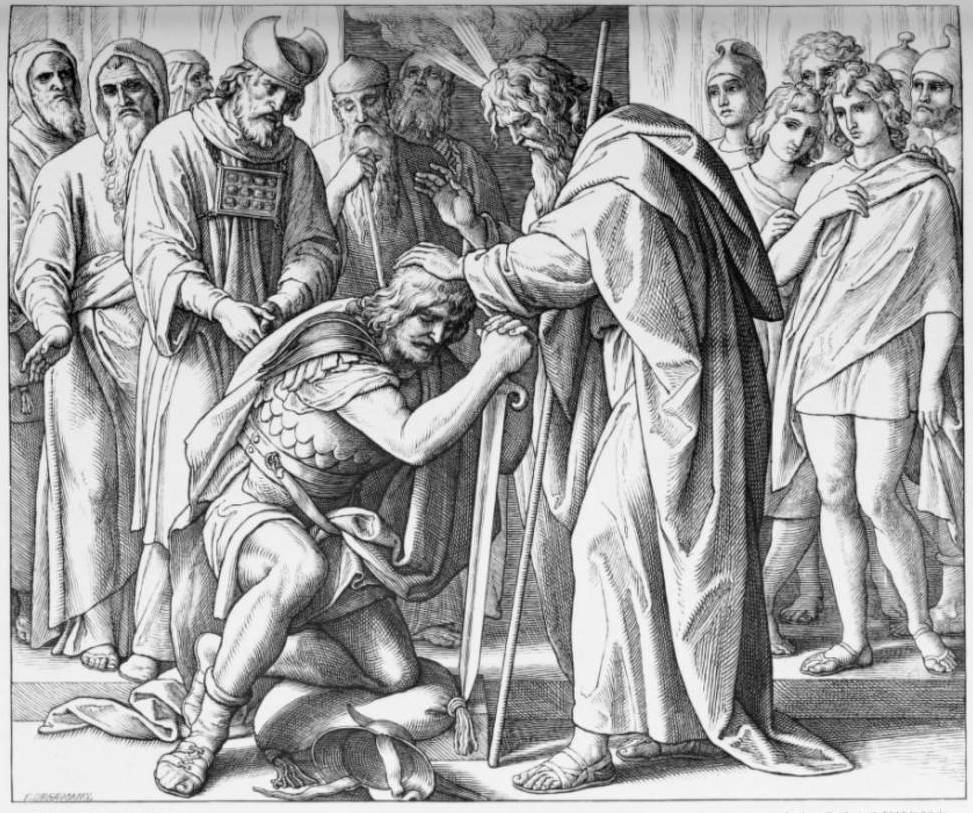
To ensure a smooth transition, Moses publicly identified Joshua as the new leader by laying hands on him, symbolizing a public endorsement of Joshua’s divine appointment. This act solidified Joshua’s authority and reassured the people of his leadership. Moses obeyed God’s instructions fully, laying his hands on Joshua and commissioning him before Eleazar and the entire assembly (Numbers 27:22-23). Moses’ obedience and humility in this transition set a powerful example of faithful leadership. This act of obedience is a model for us, emphasizing the importance of following God’s commands in leadership transitions.
I have spoken with elder saints who are prepared to depart from this world but who fear for their friends and family because they feel like they are the only light of the gospel in their lives. They worry about what will happen when they are no longer there to guide them. However, we must trust that God will be with those we love, even in our absence. While our time is temporary, God’s presence and guidance are eternal. Let us have faith that God will continue to work in their lives, watering the seeds we have planted, just as He has worked through us.
Our faith must rest in God’s unchanging character and His promise to never leave nor forsake His people. As Deuteronomy 31:8 assures us, “It is the Lord who goes before you. He will be with you; he will not leave you or forsake you. Do not fear or be dismayed” (ESV).
Trusting in God’s ongoing work through others brings us peace and assurance. It frees us from the burden of feeling irreplaceable and allows us to focus on the greater mission of expanding God’s kingdom. As we serve and lead with humility, we can be confident that God is faithfully raising up new leaders and nurturing the faith of those we care about, ensuring His work continues long after we are gone.
As believers, we must recognize that we will not be here forever. Like Moses, we must be wise in training up the next generation to one day pass the torch to them. Proverbs 22:6 advises us to “train up a child in the way he should go; even when he is old, he will not depart from it” (ESV). By mentoring and preparing new leaders, we ensure the continuity of God’s work and the spiritual well-being of His people.
This passage underscores the urgent need for Spirit-filled leaders in our world today. God desires to choose and appoint leaders who will meet the desperate needs of the world. As believers, we must make ourselves available to God, seeking His Spirit’s filling and guidance. Spirit-filled leadership is crucial for fulfilling God’s purposes and leading His people effectively. Jesus Himself noted that “the harvest is plentiful, but the laborers are few” (Matthew 9:37-38, ESV). God searches for those who are willing to step forward, love, and obey Him, committing to serve His people (2 Chronicles 16:9). The world’s plight often reflects a lack of godly leadership. God calls many, but few respond. Are you prepared to serve?
Conclusion:
As we reflect on the life and leadership of Moses, we are reminded both of the reality of death and the hope that we have in Jesus Christ. Moses, despite his human frailty and sin, was shown great mercy by God, who allowed him to glimpse the Promised Land and assured him of his place among the faithful in eternity. This narrative points us to the greater fulfillment of God’s promises through Jesus Christ, who conquered death and opened the way to eternal life.
Jesus declared in John 14:2-3, “In my Father’s house are many rooms. If it were not so, would I have told you that I go to prepare a place for you? And if I go and prepare a place for you, I will come again and will take you to myself, that where I am you may be also.” This promise assures us that for those who follow Christ, death is not an end but a glorious transition to eternal life with God.
In light of this truth, we must examine our own lives. Are we living in obedience and trust in God, like Moses sought to do despite his failures? Have we placed our faith in Jesus Christ, the ultimate leader who laid down His life for our salvation? Today, if you have not yet made the decision to follow Jesus, I urge you to consider the hope and assurance that He offers. Death is inevitable for all of us, but through Christ, it can be a doorway to eternal joy and peace in God’s presence. Jesus said, “I am the resurrection and the life. Whoever believes in me, though he die, yet shall he live” (John 11:25, ESV).
For those who already believe, let us recommit our lives to serving God faithfully, knowing that our labor is not in vain. Just as Moses prepared Joshua for leadership, we are called to prepare and mentor the next generation of believers, ensuring the continuity of God’s work. If you feel the Holy Spirit prompting you today, whether to accept Christ for the first time or to renew your commitment to Him, I invite you to respond.
Closing Prayer:
Gracious Lord, we thank You for the time we have spent in Your Word today. As we reflect on the life of Moses and the leadership of Joshua, remind us of the importance of Spirit-filled leadership and our reliance on You in all things. Help us to understand that our time on earth is fleeting and that we must prepare the next generation to carry forth Your mission. Instill in us a passion for mentoring and guiding others, training them in Your ways so that Your work may continue and flourish. May we be faithful stewards of the gifts You have given us, always seeking Your guidance and strength. Lord, as we leave this place, may Your presence go with us, empowering us to serve You with dedication and love. We ask all this in the precious name of Jesus Christ, our Lord and Savior. Amen.
 hardincrowder.com