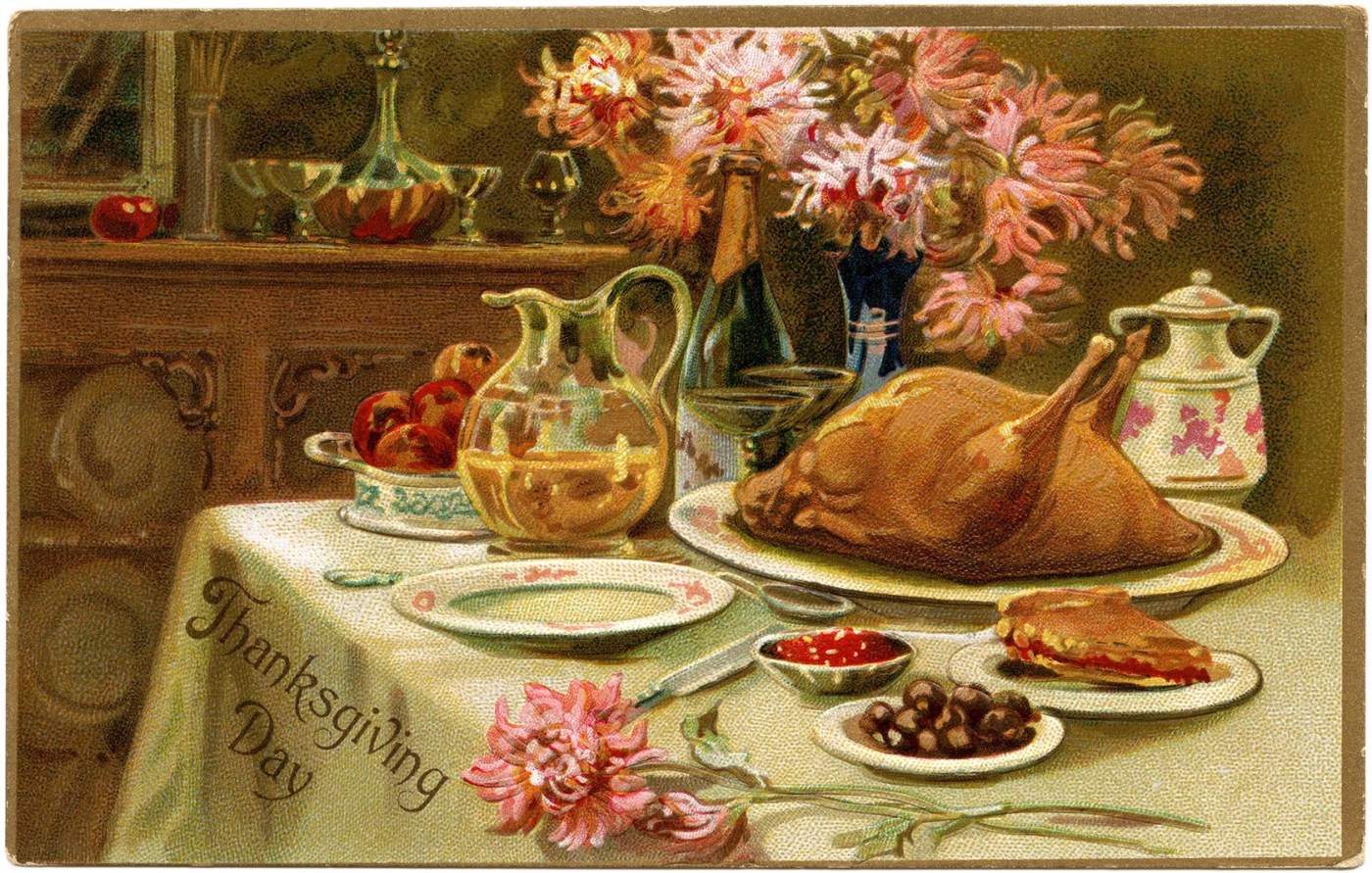
Thanksgiving is a word we hear often during this time of year. It’s the centerpiece of the holiday we celebrate tomorrow; a day marked by shared meals, family traditions, and the joy of being together. But Thanksgiving is so much more than turkey and traditions, more than the laughter of loved ones or the warmth of a beautifully set table. True thanksgiving reaches far beyond the bounds of a single day or a polite “thank you.” It is a sacred act, a posture of the heart that continually responds to the abundant goodness of God.
The apostle Paul captures the essence of thanksgiving when he writes: “In everything give thanks, for this is the will of God in Christ Jesus concerning you” (1 Thessalonians 5:18). Notice the weight of Paul’s words: thanksgiving is not merely a suggestion, a seasonal nicety, or even an admirable practice. It is the will of God for His people. It is something we are called to do, not only because it benefits us, but because it brings glory to the One who deserves it.
Think about what this means. Thanksgiving is not tied to how we feel, the circumstances we face, or the blessings we enjoy. Paul tells us to give thanks “in everything.” In joy and in sorrow, in abundance and in need, in triumph and in trial. Why? Because thanksgiving declares a truth deeper than our experiences. It says, “God is good, and His love endures forever.”
From the very beginning of Scripture, God’s people are called to give thanks. The psalmist cries out: “Oh, that men would praise the Lord for His goodness, and for His wonderful works to the children of men!” (Psalm 107:8). Yet how often do people enjoy the gifts of God without acknowledging the Giver? How often do we accept His blessings while forgetting to lift our hearts in gratitude? The apostle Paul warns us of the danger of ingratitude in Romans 1:21: “Although they knew God, they neither glorified Him as God nor gave thanks to Him, but their thinking became futile and their foolish hearts were darkened.”
When we fail to give thanks, we lose sight of God’s role in our lives. We begin to rely on ourselves, slipping into pride and self-reliance. Thanksgiving, then, is not just a duty, it is a safeguard. It protects our hearts from arrogance and folly, anchoring us in the truth that every good and perfect gift comes from above (James 1:17).
Thanksgiving is not an isolated theme in Scripture; it is the thread that ties together the story of God’s love, faithfulness, and redemption. From the first moments of creation to the eternal worship of heaven, thanksgiving rises again and again, a melody of gratitude that flows through the lives of God’s people.
The story of thanksgiving begins with creation itself. The psalmist proclaims, “The heavens declare the glory of God; the skies proclaim the work of His hands” (Psalm 19:1). Every sunrise, every rushing stream, every flower blooming in the field is a silent song of thanksgiving to the Creator. The rhythm of the waves, the majesty of the mountains, the wonder of the stars, all of creation reflects the goodness and glory of God.
Humanity, created in God’s image, is invited to join this song of thanksgiving. Adam and Eve, placed in the beauty of Eden, were surrounded by evidence of God’s provision. Though their story is marred by sin, God’s mercy shines through. After the flood, Noah builds an altar to offer sacrifices of thanksgiving (Genesis 8:20-21), marking one of the first explicit acts of gratitude in Scripture. Here, thanksgiving becomes a response to God’s salvation and faithfulness.
As God’s story unfolds, thanksgiving takes root in the lives of His covenant people. When God calls Abraham and promises to bless him with descendants, land, and a legacy, Abraham responds with worship. He builds altars as markers of God’s faithfulness (Genesis 12:7-8). These altars are not just physical structures; they are places of thanksgiving, moments where Abraham pauses to acknowledge the One who keeps His promises.
This pattern continues through Isaac, Jacob, and Joseph. Thanksgiving begins to shape the identity of God’s chosen people, setting them apart as a people who rely on His provision and promises. Even in Egypt, where the Israelites suffer under bondage, the seeds of gratitude are planted. When God delivers them through Moses, their response is a song of thanksgiving. Standing on the far shore of the Red Sea, they sing: “The Lord is my strength and my song; He has become my salvation” (Exodus 15:2). This moment marks a key turning point: thanksgiving as an expression of collective deliverance.
The Israelites’ journey through the wilderness is a story of both struggle and provision, and thanksgiving becomes a vital discipline. Though the people falter in their trust, God remains faithful. He provides manna from heaven, water from the rock, and guidance through a cloud by day and fire by night. Each act of provision is an opportunity for thanksgiving, a reminder that God meets His people’s needs, even in their weakness.
To anchor gratitude in their daily lives, God establishes feasts such as the Feast of Tabernacles. These celebrations not only commemorate past deliverance but also invite the people to trust in God’s ongoing faithfulness. Even in times of waiting, thanksgiving becomes a way of declaring, “God will provide.”
As Israel grows into a nation, thanksgiving becomes the heartbeat of their worship. The Psalms overflow with gratitude: “Give thanks to the Lord, for He is good; His love endures forever” (Psalm 107:1). These words, repeated throughout the Psalms, reflect the central truth of thanksgiving: God’s goodness and steadfast love are unchanging.
The Psalms also show us that thanksgiving is not limited to moments of joy. In times of sorrow and struggle, David and the other psalmists pour out their hearts to God but often conclude with words of gratitude, trusting in His faithfulness. Communal worship reinforces this practice, with the people lifting their voices together in praise and offering sacrifices of thanksgiving at the temple.
With the coming of Jesus, thanksgiving reaches its fullest expression. Jesus Himself models gratitude in every aspect of His ministry. Before feeding the five thousand, He gives thanks for the loaves and fish (John 6:11). Before raising Lazarus, He thanks the Father for hearing His prayer (John 11:41). Even on the night of His betrayal, Jesus breaks bread and gives thanks (1 Corinthians 11:24). His gratitude teaches us that thanksgiving is not based on circumstances but flows from a heart aligned with God’s will.
The story of thanksgiving culminates in Revelation, where we see a vision of unending worship. Around God’s throne, a great multitude cries out: “Salvation belongs to our God who sits on the throne, and to the Lamb!” (Revelation 7:10). Thanksgiving becomes eternal, the unbroken response of the redeemed to God’s ultimate act of salvation through Jesus Christ.
As we reflect on this journey, we see that thanksgiving is more than a response to what God has done, it is a response to who God is. From creation to covenant, from the wilderness to the cross, from the empty tomb to the throne of heaven, thanksgiving is the melody that ties God’s story together.
And now we are invited to join that story. Let us give thanks, not just for the blessings we receive but for the God who gives them. Let thanksgiving shape our worship, our prayers, our actions, and our words. Let us echo the gratitude of those who have gone before us and point to the eternal praise that awaits.
Thanksgiving is not just a day or a feeling, it is the anthem of a life lived for God. Let us make it the song of our hearts, for this is the will of God in Christ Jesus concerning us. Amen.
 hardincrowder.com