Sermon Audio: LINK
Welcome:
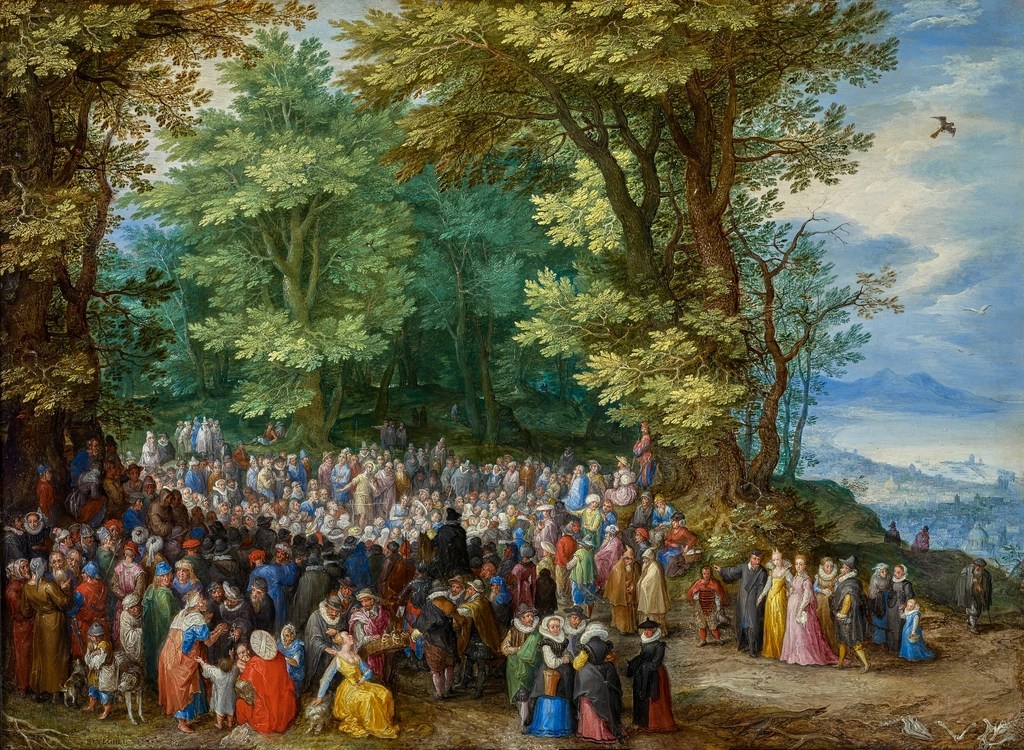
This morning, I invite you to join me once again on the mountainside where Jesus delivered the greatest sermon ever preached, the Sermon on the Mount. In His opening words, Jesus painted a picture of what it means to be a citizen of God’s kingdom through a series of blessings we call the Beatitudes. Last week, we explored the first three Beatitudes, which form the foundation of this journey. Jesus began with “Blessed are the poor in spirit” (Matthew 5:3), calling us to humbly recognize our spiritual poverty and dependence on God. The second Beatitude, “Blessed are those who mourn” (Matthew 5:4), invites us to grieve over sin and brokenness with a godly sorrow that leads to repentance and opens us to God’s comfort. The third, “Blessed are the meek” (Matthew 5:5), teaches us that true strength comes through surrender, trusting fully in God’s will. Together, these Beatitudes describe the inward transformation of those who turn from self-reliance, pride, and sin toward a new allegiance to God as King. But the Beatitudes don’t stop there; they call us not only to renounce the old life but to actively pursue the new life God has for us.
Let us read from God’s Word:
Scripture Reading:
Matthew 5:6-9 ESV:
“Blessed are those who hunger and thirst for righteousness, for they shall be satisfied.
Blessed are the merciful, for they shall receive mercy.
Blessed are the pure in heart, for they shall see God.
Blessed are the peacemakers, for they shall be called sons of God.”
The Fourth Step: Hunger and Thirst for Righteousness
This morning we begin with the fourth beatitude: “Blessed are those who hunger and thirst for righteousness, for they shall be satisfied” (Matthew 5:6, ESV). To hunger and thirst for righteousness is to experience a deep and unrelenting longing for God and His ways, a desire that only He can fully satisfy. This is not about appearances or legalistic rule-keeping; it’s a yearning to align our lives with God’s will, to reflect His character, and to see His justice and holiness prevail both in us and in the world around us.
This hunger is active, ongoing, and persistent. The present tense of Jesus’ words highlights a continuous pursuit, one that never grows complacent or stagnant. Those who hunger and thirst for righteousness are always seeking more of God: His presence, His truth, and His goodness.
This kind of spiritual hunger is radically different from the superficial “righteousness” that the world, and even some religious systems, may promote. In Jesus’ time, the Pharisees reduced righteousness to outward actions, rituals and rules that often lacked true heart transformation. Jesus condemned this hollow approach in Matthew 23:27, where he warned: “Woe to you, scribes and Pharisees, hypocrites! For you are like whitewashed tombs, which outwardly appear beautiful, but within are full of dead people’s bones and all uncleanness.”
Such superficial righteousness may impress people, but it offers no real life or satisfaction. True righteousness begins with an inner transformation, changing our hearts before it shapes our actions. Without that inward renewal, no amount of outward religious activity will ever satisfy the hunger of our souls.
Jesus also cautioned against seeking righteousness for public approval. Many of the religious leaders in His day performed their acts of devotion, whether praying, fasting, or giving, to gain the applause of others. But in Matthew 6:1, Jesus warned: “Beware of practicing your righteousness before other people in order to be seen by them, for then you will have no reward from your Father who is in heaven.”
When righteousness is motivated by the desire for recognition, it leaves the soul empty. Human praise may feel gratifying for a moment, but it can never fill the deeper hunger within us. In contrast, Jesus offers a righteousness that truly satisfies, a righteousness that nourishes the soul like bread to the hungry or water to the thirsty. It begins in the heart, transforming our desires, thoughts, and actions to reflect God’s character. And it flows not from a desire for applause, but from a genuine love for God and others.
This Beatitude challenges us to reflect on the focus of our lives. What are we truly hungry for? Are we seeking God’s righteousness, or have we settled for outward appearances? Are our hearts set on knowing Him more deeply, or have we become content with superficial religion that leaves us spiritually starved?
Consider also the motivations behind our spiritual practices. When we pray, give, or serve, are we seeking God’s approval or the praise of others? If your soul feels empty or unfulfilled, it may be worth examining whether you’ve been pursuing a kind of righteousness that cannot truly satisfy.
I love the account of Jacob In Genesis 32:26, who wrestled with God and said, “I will not let you go unless you bless me.” His tenacity reflects the relentless longing for God that drives us to seek Him wholeheartedly. It’s this kind of spiritual hunger, this refusal to settle for anything less than God Himself, that leads to true satisfaction.
Let me share something personal about what it means to hunger and thirst for righteousness, a journey that, for me, has often felt frustrating and even overwhelming at times. I don’t know about you, but I often feel like I’m always just a beginner in the faith. No matter how long I’ve walked with Jesus, no matter how much I’ve grown, I still feel like I’m just starting to understand what it means to truly live in alignment with God’s will.
There have been seasons where I’ve experienced incredible growth, moments where I’ve overcome sin, grown deeper in prayer, or learned to trust God in a new way. And just when I begin to feel like I’m making progress in one area, I realize there are three more areas of my life where I’m falling short, areas I didn’t even notice before. It’s humbling, to say the least.
For example, I might feel like I’m growing in patience, but then I notice pride creeping in. Or maybe I’ve learned to forgive someone who hurt me deeply, but then I realize I’m still holding onto a judgmental attitude toward someone else. It’s like every time I take one step forward, the path stretches even farther ahead, revealing just how much I have yet to learn.
Honestly, this can be frustrating. There’s a part of me that wants to “arrive,” to feel like I’ve figured it all out, like I’ve mastered what it means to live righteously. But the truth is, no matter how much I grow, it feels like righteousness is always just a little out of reach, like it’s something I’m constantly striving for but never quite attaining.
And yet, in the midst of this struggle, there’s something beautiful and hopeful: the promise that Jesus gives us in Matthew 5:6. “Blessed are those who hunger and thirst for righteousness, for they shall be satisfied.”
What I’ve come to realize is that this hunger and thirst for righteousness, the longing, the striving, the sense that I’m always just beginning, is actually part of the journey. The frustration I feel is not a sign of failure; it’s a sign of life. It’s a sign that my heart is yearning for something only God can fully provide.
And here’s the hope that keeps me going: one day, I will be satisfied. Not in this life, because in this life, we’re always growing, always learning, always becoming. But in the life to come, when I stand before Jesus, I will finally experience the fullness of His righteousness. The struggle will be over. The striving will cease. The hunger and thirst that have driven me my entire life will be completely and perfectly satisfied in Him.
That promise fills me with hope. It reminds me that even though righteousness feels elusive right now, it’s not out of reach. Jesus is leading me toward it, one step at a time. And the longing I feel, the frustration of not quite getting it, is not wasted. It’s preparing me for the day when I will see Him face to face, and He will complete the work He began in me.
So, if you’re like me and you often feel like a beginner, like you’re falling short no matter how hard you try, take heart. The hunger you feel is a gift, and the promise of satisfaction is real. One day, we’ll be fully satisfied, not because we finally figured it all out, but because Jesus will give us His righteousness in full. And on that day, every struggle, every frustration, every moment of falling short will be redeemed in the beauty of His grace.
Fifth Step: Blessed are the Merciful
In Matthew 5:7, Jesus proclaims, “Blessed are the merciful, for they shall receive mercy” (ESV). Mercy, as Jesus describes it, is not merely a feeling or an occasional act of kindness. It is a love that moves toward others, reaching out with compassion and offering forgiveness without expecting anything in return. It is a reflection of God’s own mercy, a mercy so extravagant, so undeserved, that it defies comprehension.
Paul captures this beautifully in Ephesians 2:4-5: “But God, being rich in mercy, because of the great love with which he loved us, even when we were dead in our trespasses, made us alive together with Christ, by grace you have been saved” (ESV). Think about that for a moment. God’s mercy is so abundant that He gave us life even when we were dead in sin. He forgives our failures, sustains us daily, and loves us with an unchanging, unconditional love. And as recipients of such mercy, how can we not extend it to others? Not reluctantly, not out of obligation, but as a natural overflow of the grace we ourselves have experienced.
But here’s the deeper connection: mercy flows from a heart that hungers and thirsts for righteousness. When we long for a life aligned with God’s will, we begin to see just how far we still have to go. We realize our own need for God’s mercy every single day. And this understanding humbles us. It softens our hearts. It reminds us that we’re all works in progress, dependent on the same grace. This is why those who hunger for righteousness are also merciful. They know how much mercy they’ve received, and they long to extend that mercy to others, not from a place of pride, but from a heart that’s been transformed by grace.
The Bible is rich with examples of mercy in action. Look at the early church in Acts 2:44-45: “And all who believed were together and had all things in common. And they were selling their possessions and belongings and distributing the proceeds to all, as any had need” (ESV). This was mercy in motion; an unselfish generosity that flowed from hearts changed by Christ. Or consider the apostle John’s words in 1 John 3:17: “But if anyone has the world’s goods and sees his brother in need, yet closes his heart against him, how does God’s love abide in him?” John makes it simple; to withhold mercy is to reveal a disconnect between what we claim to believe and how we actually live.
It’s important to remember, though, that mercy isn’t something we generate on our own. It flows from God’s grace. True mercy doesn’t stop at addressing physical needs, it cares for the whole person. It feeds the hungry, clothes the poor, and visits the sick, but it also points people to the eternal hope found in Christ. The parable of the Good Samaritan (Luke 10:25-37) captures this beautifully. The Samaritan didn’t just feel pity; he acted. He tended the injured man’s wounds, sacrificed his time and resources, and showed extraordinary kindness to someone who could offer him nothing in return. And Jesus concludes with a simple but powerful command: “Go and do likewise” (Luke 10:37, ESV).
Mercy, as Jesus teaches it, is not convenient. Mercy asks for action. It asks for sacrifice. It asks us to step outside of ourselves and into the needs of others. Mercy compels us to examine our lives and ask: Are we sharing the blessings God has given us? Are we feeding the hungry, comforting the suffering, and pointing people to Christ, the ultimate source of mercy and hope?
When Jesus promises, “Blessed are the merciful, for they shall receive mercy,” He is not describing a transaction but a transformation. As we show mercy to others, our hearts become more open to experience the fullness of God’s mercy. The more we pour out to bless others, the more we find ourselves filled by His grace.
Sixth Step: Blessed are the Pure in Heart
In Matthew 5:8, Jesus declares, “Blessed are the pure in heart, for they shall see God” (ESV). In Matthew 5:8, Jesus offers us a beautiful and hopeful promise: “Blessed are the pure in heart, for they shall see God” (ESV). But what does it mean to be “pure in heart”? Purity of heart begins with a longing for God, a deep desire to align our lives with His will. As James, the brother of Jesus, wrote in James 4:8: “Draw near to God, and he will draw near to you. Cleanse your hands, you sinners, and purify your hearts, you double-minded” (ESV). A pure heart is one that is no longer torn between competing allegiances but is wholly devoted to seeking and loving God above all else.
Now this can be a discouraging beatitude for anyone with even a tiny amount of self awareness. How can we be pure of heart? By our own efforts, it is impossible. However, when we feel weak, unworthy, or far from pure, we can take heart in knowing that God is the one who purifies us. King David’s prayer in Psalm 51:10 captures this hope: “Create in me a clean heart, O God, and renew a right spirit within me” (ESV). As we draw near to God each day, seeking His cleansing and surrendering to His Spirit, He faithfully transforms us from the inside out, shaping us to reflect His holiness and love.
What makes this Beatitude so uplifting is the promise that comes with it: “They shall see God.” While this promise will ultimately be fulfilled in eternity, when we will see God face-to-face, I believe that this promise begins here and now. The pure in heart experience God in tangible ways even in this life. They see Him in His Word, as Scripture speaks with clarity and power, bringing encouragement and guidance. They see Him in His works, marveling at His faithfulness and provision in life’s circumstances. And they see Him in His people, encountering His presence in the love, unity, and support of the body of Christ.
Jesus’ words also invite us to pause and reflect: Where is my heart today? Am I fully focused on God, or are there distractions and divided allegiances pulling me in different directions? Double-mindedness brings restlessness and confusion, but a heart set wholly on God brings peace, clarity, and joy. Jesus lovingly calls us to lay down every idol, every distraction, and to enter into a life of total surrender, where our hearts belong completely to Him.
And here’s the good news: when we long to see God, both now and in eternity, He meets us right where we are. His grace purifies us, opens our eyes to His presence, and allows us to experience the fullness of His love, power, and guidance in our daily lives. Let us take hold of the promise in Psalm 24:3-4: “Who shall ascend the hill of the Lord? And who shall stand in his holy place? He who has clean hands and a pure heart” (ESV).
Seventh Step: Blessed are the Peacemakers
And finally, at least for this morning’s message, we come to Jesus’ powerful declaration: “Blessed are the peacemakers, for they shall be called sons of God” (Matthew 5:9, ESV).
Now, let me say this up front: we, in the English-speaking world, often have a shallow understanding of peace. When we hear the word peace, we tend to think of it as the absence of conflict. But Jesus and His audience understood peace in a far deeper and richer way. Biblically, peace, or shalom, is about wholeness. It’s about taking what is broken and making it whole again. True peace is not simply avoiding conflict; it’s doing the hard and holy work of reconciliation. It’s stepping into broken relationships and actively working to restore them. And those who take up this long, challenging, and humbling work of making things whole, these are the peacemakers Jesus calls blessed.
I think it is important to talk about what Biblical peacemaking is not:
Biblical peacemaking is not appeasement. It is not about avoiding problems, glossing over issues, or compromising the truth just to keep people happy. In Luke 12:13-14, someone asked Jesus to settle a family dispute over inheritance. But Jesus refused to act as a mere arbitrator; instead, He addressed the deeper issue of greed in the man’s heart. True peacemaking, rooted in Scripture, doesn’t shy away from hard truths. It lovingly confronts the things that disrupt real peace.
Biblical peacemaking is not about pretending everything is fine when things are not fine. It is not about ignoring the elephant in the room. True peace cannot exist where sin, pride, or resentment are left unaddressed. Peacemaking involves honesty, humility, and courage to deal with what lies beneath the surface.
Biblical peacemaking is not people-pleasing. It is not about gaining the approval of others at the expense of God’s truth. Paul reminds us in Galatians 1:10: “For am I now seeking the approval of man, or of God?” Compromising on biblical principles may please people in the short term, but it fails to reflect the heart of God. True peacemaking aligns with God’s will, even when it’s unpopular.
So, what is Biblical peacemaking?
Biblical peacemaking is reconciliation. It seeks to repair what is broken, first between us and God, and then between us and others. God Himself is the ultimate peacemaker. He is called the “God of peace” (Romans 15:33), and through Christ, He reconciles us to Himself: “Through him to reconcile to himself all things… making peace by the blood of his cross” (Colossians 1:20, ESV). When we engage in peacemaking, we are reflecting God’s redemptive work, joining Him in His mission to heal the damage caused by sin.
Biblical peacemaking addresses the root of division. It doesn’t settle for surface-level solutions or temporary fixes. Instead, it digs deep to confront the root causes of conflict, things like sin, pride, and selfishness. I’ll admit, this is something I need to work on myself. When conflict arises, I often want to see it end as quickly as possible, and it can be tempting to focus on resolving the symptoms rather than addressing the real issue. But Jesus modeled a different way. In His ministry, He consistently exposed and challenged the deeper issues that divided people. It didn’t always make Him popular, but it brought about true restoration and lasting peace.
Ultimately, peacemaking isn’t just about resolving disputes, it’s about pointing people to the ultimate peace found in Christ. Jesus, in the ultimate act of peacemaking, made the ultimate sacrifice on the cross, giving His life to secure peace between God and humanity.
Here’s the incredible promise: Jesus says that peacemakers will be called “sons of God.” This means that peacemakers will be recognized as part of God’s family. Just as children resemble their parents, peacemakers reflect their Heavenly Father’s heart and mission. When we work to bring reconciliation and healing, we are showing the world what God is like, a God who takes what is broken and makes it whole.
Peacemaking is not easy. It requires humility, courage, and grace. But it is a high calling and a reflection of God’s own work in the world. So let me ask: Are we living as peacemakers? Are we addressing conflict with love and truth, or are we settling for superficial harmony? Are we pointing others to Christ, the ultimate source of peace?
Conclusion
As we come to the end of this morning’s message, I want to bring us back to the heart of the Beatitudes, the gospel of Jesus Christ. Perhaps today you feel that hunger and thirst for righteousness but recognize how far you fall short. Or maybe you long for peace in your relationships, mercy in your struggles, or purity in your heart, but feel overwhelmed by your inability to achieve it. The good news is that Jesus doesn’t ask us to climb this staircase on our own. He has already walked it for us, and by His grace, He empowers us to follow Him step by step. If you’ve never placed your trust in Jesus, now is the time. He offers you forgiveness, mercy, and the peace that only He can give. If you are already walking with Him but feel weary or stuck, bring your struggles to Him. His promise is true. He will strengthen you for the journey, transform your heart, and fill you with the joy of living as a citizen of His kingdom. Let us pray together and entrust our hearts to the One who calls us blessed.
Daily Devotionals:
On Sunday, we returned to the mountainside where Jesus delivered the Sermon on the Mount and focused on the Beatitudes as a portrait of life in God’s kingdom. We began by recalling the first three Beatitudes, which describe the inward transformation required of kingdom citizens: recognizing our spiritual poverty, mourning over sin, and surrendering to God in meekness. Then, we explored the next steps, starting with a hunger and thirst for righteousness, a deep and unrelenting longing for God’s will to shape our hearts and lives, bringing true satisfaction that only He can provide. We reflected on the call to be merciful, extending the grace we’ve received to others; the blessing of purity in heart, which allows us to experience God more deeply; and the role of peacemakers, who reflect God’s mission of reconciliation in the world. Each of these Beatitudes challenged us to align our lives with God’s character and reminded us of our dependence on His grace to live as His people. Ultimately, we were encouraged to keep striving toward the life Jesus described, knowing that He is with us, empowering us every step of the way.
Monday: Hunger and Thirst for Righteousness
Scripture Reading:
Matthew 5:6 ESV
“Blessed are those who hunger and thirst for righteousness, for they shall be satisfied.”
Devotional:
Have you ever been so hungry or thirsty that you couldn’t think about anything else? Jesus uses this vivid picture to describe what it means to long for righteousness, a desire so intense and persistent that it consumes us. To hunger and thirst for righteousness is to crave what is right in God’s eyes. It’s a yearning to see His will done in our lives and the world around us. This longing comes not from a sense of obligation or duty, but from a transformed heart that desires God’s presence and ways above all else.
This Beatitude calls us to an active and ongoing pursuit. It is not a one-time decision but a lifelong process of seeking God’s truth, holiness, and justice. True righteousness goes beyond external behavior; it begins in the heart and leads to a life that reflects God’s character. While the world often settles for superficial goodness or the approval of others, Jesus invites us to pursue a righteousness that brings true satisfaction, one that only He can provide.
As we journey through life, we may find ourselves growing weary or distracted. But Jesus promises that those who hunger and thirst for righteousness will be satisfied. This satisfaction isn’t about having all the answers or reaching perfection in this life; it’s about finding fulfillment in a relationship with God. When we seek Him wholeheartedly, we discover that He alone can meet the deepest desires of our souls.
Reflection Questions:
1. What does it look like in your life to hunger and thirst for righteousness?
2. Are there areas where you’ve settled for outward appearances instead of true heart transformation?
3. How can you actively pursue God’s righteousness this week?
Prayer:
Lord, create in me a hunger and thirst for Your righteousness. Help me to seek You with all my heart and to desire Your ways above all else. When I grow weary or distracted, remind me that You alone can satisfy the deepest longings of my soul. Transform me from the inside out so that my life reflects Your character and brings glory to Your name. Amen.
Tuesday: The Merciful
Scripture Reading:
Matthew 5:7 ESV
“Blessed are the merciful, for they shall receive mercy.”
Devotional:
Mercy is one of the most beautiful attributes of God, and Jesus invites His followers to reflect that same mercy in their lives. To be merciful is to show compassion and kindness to those in need, to forgive those who have wronged us, and to care for others with no expectation of repayment. Mercy flows from a heart that has been transformed by God’s grace, a heart that recognizes its own need for mercy and extends it to others.
The Bible is full of reminders of God’s mercy toward us. In Ephesians 2:4-5, Paul writes, “But God, being rich in mercy, because of the great love with which he loved us, even when we were dead in our trespasses, made us alive together with Christ.” God’s mercy is not given because we deserve it, but because of His love. When we reflect on the mercy we’ve received, it humbles us and compels us to show mercy to others.
But mercy is not always easy. It requires us to let go of bitterness, pride, and a sense of entitlement. It may cost us our time, energy, or resources. Yet, Jesus assures us that the merciful will receive mercy. As we extend God’s grace to others, we open our hearts to experience His mercy in deeper and richer ways. Mercy becomes both a gift we receive and a gift we give, drawing us closer to the heart of God.
Reflection Questions:
1. Who in your life is in need of mercy today?
2. How can reflecting on God’s mercy toward you help you extend mercy to others?
3. What might be holding you back from showing mercy in a particular situation?
Prayer:
Heavenly Father, thank You for Your abundant mercy toward me. Help me to extend that same mercy to others, even when it’s difficult or costly. Soften my heart and fill me with compassion for those in need. May my life be a reflection of Your grace, pointing others to the hope and forgiveness found in You. Amen.
Wednesday: The Pure in Heart
Scripture Reading:
Matthew 5:8 ESV
“Blessed are the pure in heart, for they shall see God.”
Devotional:
Purity of heart begins with a singular focus: a wholehearted devotion to God. In a world filled with distractions and competing loyalties, Jesus calls us to a life of undivided love for Him. To be pure in heart means that our thoughts, desires, and motives are aligned with God’s will. It’s not about achieving perfection but about continually surrendering to God’s refining work in our lives.
When we draw near to God, seeking His cleansing and guidance, He transforms our hearts. King David’s prayer in Psalm 51:10 reflects this desire: “Create in me a clean heart, O God, and renew a right spirit within me.” Purity is not something we can achieve on our own; it is a work of God’s grace. As we yield to Him, He removes the distractions, idols, and impurities that pull us away from Him and replaces them with a deep and abiding love for Him.
Jesus promises that the pure in heart will see God. While this promise will be fully realized in eternity, we can experience glimpses of it even now. As our hearts become more attuned to Him, we begin to see His presence in His Word, His works, and His people. The more we seek Him, the more clearly we experience His love, guidance, and peace in our daily lives.
Reflection Questions:
1. What distractions or divided allegiances might be hindering your devotion to God?
2. How can you invite God to purify your heart this week?
3. In what ways have you seen God’s presence in your life recently?
Prayer:
Lord, I long to have a pure heart that seeks You above all else. Cleanse me of anything that distracts or pulls me away from You. Help me to surrender every part of my life to You and to trust in Your transforming work. Open my eyes to see Your presence and to experience the joy of walking closely with You each day. Amen.
Thursday: The Peacemakers
Scripture Reading:
Matthew 5:9 ESV
“Blessed are the peacemakers, for they shall be called sons of God.”
Devotional:
Peace is more than the absence of conflict; it is the restoration of wholeness and harmony. As followers of Christ, we are called to be peacemakers, people who actively work to bring reconciliation in our relationships, our communities, and the world around us. This is not a passive calling. Peacemaking requires humility, courage, and a willingness to address the deeper issues that cause division.
True peace begins with God. Through Jesus, we are reconciled to God and invited into His family. As recipients of this peace, we are called to reflect God’s heart by pursuing reconciliation with others. This may mean extending forgiveness, confronting issues with love, or sacrificing our own comfort for the sake of unity. Peacemaking is hard work, but it is holy work that mirrors God’s mission of restoring what sin has broken.
Jesus promises that peacemakers will be called “sons of God.” When we work to bring peace, we reflect the heart of our Heavenly Father and demonstrate that we belong to His family. Peacemaking is not about avoiding conflict or pleasing people; it’s about pointing others to the ultimate source of peace, Jesus Christ.
Reflection Questions:
1. Are there any relationships in your life that need reconciliation?
2. How can you pursue peace in a way that reflects God’s heart?
3. What steps can you take to be a peacemaker in your community or church?
Prayer:
Father, thank You for making peace with us through Jesus Christ. Help me to be a peacemaker in my relationships and to reflect Your heart in the way I interact with others. Give me the courage, wisdom, and humility to address conflict with love and to seek reconciliation where it is needed. May my life point others to the ultimate peace found in You. Amen.
Friday: The Promise of Satisfaction
Scripture Reading:
John 6:35 ESV
“Jesus said to them, ‘I am the bread of life; whoever comes to me shall not hunger, and whoever believes in me shall never thirst.’”
Devotional:
Jesus’ promise in John 6:35 reminds us that the hunger and thirst we feel deep within our souls can only be satisfied by Him. The world offers temporary solutions (success, wealth, relationships, and pleasure) but none of these can truly fulfill the longing for meaning and purpose in our hearts. This hunger and thirst are not weaknesses; they are signs that we were created for something greater than this world.
The imagery of bread and water points us to the sustaining and life-giving nature of Jesus. Just as we need physical food and water to survive, our spirits need the nourishment that comes from being in relationship with Him. When we hunger and thirst for righteousness, we are turning away from the empty promises of the world and turning toward Jesus, the Bread of Life. He alone can fill the emptiness within us, and His satisfaction is not fleeting, it is eternal.
If you’ve been seeking satisfaction in things that leave you feeling empty, Jesus invites you to come to Him. He is not far off or hard to reach. He offers Himself freely to anyone who will believe in Him. When we trust Him to be the source of our life and hope, we experience a deep and abiding satisfaction that no circumstance can take away. This doesn’t mean life will always be easy, but it does mean that we will always have enough because we have Him.
Reflection Questions:
1. In what areas of your life have you sought satisfaction apart from Jesus?
2. How does Jesus’ promise to be the Bread of Life bring hope to your daily walk?
3. What steps can you take to deepen your reliance on Jesus as the source of your fulfillment?
Prayer:
Lord Jesus, You are the Bread of Life. Thank You for the promise that You alone can satisfy the deepest longings of my heart. Forgive me for the times I’ve sought satisfaction in other things. Help me to come to You daily and to trust You as my source of life and hope. Teach me to rest in Your sufficiency and to find true fulfillment in Your presence. Amen.
Saturday: Blessed to Be a Blessing
Scripture Reading:
2 Corinthians 9:8 ESV
“And God is able to make all grace abound to you, so that having all sufficiency in all things at all times, you may abound in every good work.”
Devotional:
As we reflect on the Beatitudes and the blessings Jesus describes, it’s important to remember that these blessings are not meant to stop with us. God blesses us so that we can be a blessing to others. His grace and mercy are poured into our lives, not so that we can keep them for ourselves, but so that they can overflow to those around us.
The Apostle Paul reminds us in 2 Corinthians 9:8 that God gives us all that we need, not only for our own sufficiency but so that we can “abound in every good work.” When we hunger and thirst for righteousness, extend mercy, seek purity of heart, and pursue peace, we become instruments of God’s grace in the world. Our lives reflect His character and point others to His kingdom. This is what it means to live as citizens of God’s kingdom, we don’t just receive His blessings; we share them with others.
Take a moment to consider the ways God has blessed you. Perhaps He’s provided you with resources, relationships, or spiritual gifts. How might you use those blessings to serve others? The more we give, the more we realize that God’s grace is inexhaustible. As we pour into others, we find that He continually fills us with more of His love, mercy, and joy. In this way, we live out the call of the Beatitudes; not as isolated individuals, but as a community of believers who reflect God’s goodness to a world in need.
Reflection Questions:
1. How has God blessed you in ways that you can share with others?
2. In what areas of your life can you “abound in good works” to bless those around you?
3. How can living out the Beatitudes impact your relationships and your community?
Prayer:
Father, thank You for the abundant grace You have poured into my life. Help me to see the ways You have blessed me and to use those blessings to serve others. Teach me to live with open hands, ready to share Your love and mercy with those in need. May my life reflect Your goodness and bring glory to Your name. Amen.
 hardincrowder.com