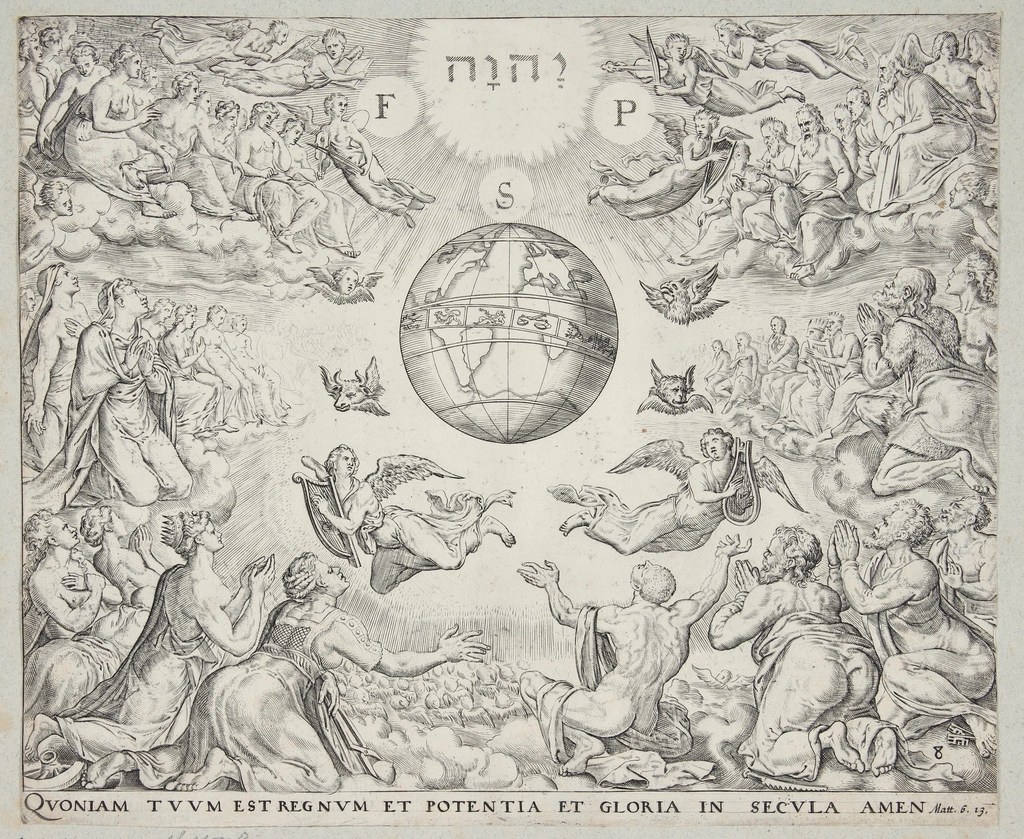
Psalm 2:1-2 – The Rage of The Nations
Psalm 2 opens with a question that resounds across time and history: “Why do the nations rage and the peoples plot in vain? The kings of the earth set themselves, and the rulers take counsel together, against the Lord and against His Anointed.” The very idea that finite, fragile humanity would raise its fists against the omnipotent Creator is staggering. This is not mere rebellion. It is cosmic treason.
From the dawn of civilization, the rulers of this world have sought to establish their own dominion apart from God. In Israel’s history, this was evident as surrounding nations resisted the rule of David and his descendants, seeking to overthrow the divine order. But their resistance was not merely against Israel, it was against God Himself. This passage captures the age-old struggle between human pride and divine sovereignty.
While this psalm originally spoke of David’s reign, its fullest realization is in Christ. The apostles, in Acts 4:25-27, saw its ultimate fulfillment in the conspiracy against Jesus, where both Jews and Gentiles (Herod, Pontius Pilate, the chief priests) joined forces to crucify the King of Kings. Yet, as the psalm declares, their plotting was “in vain.” Christ was not conquered. He triumphed over death, sin, and every earthly power.
This rebellion is not confined to ancient history; it is the ongoing condition of humanity. The world rages against the authority of Christ, resisting His reign through secularism, relativism, and self-glorification. Yet, all their efforts are futile. No decree, no government, no ideology can overthrow the throne of God. This passage calls us to confidence: Christ reigns, unshaken by the schemes of men. The nations may rage, but their rebellion is ultimately powerless against the sovereign decree of the Lord.
Psalm 2:3 – The Rebellion Against God
“Let us break their chains and throw off their shackles.”
The cry of the rebellious nations is not a mere act of defiance. It is the epitome of human pride. This verse encapsulates the universal rejection of God’s authority, echoing the rebellion of Satan himself, who declared, “I will ascend above the heights of the clouds; I will make myself like the Most High” (Isaiah 14:14). From the tower of Babel to the rejection of the prophets, to the crucifixion of Christ, history is a testimony to mankind’s relentless attempt to dethrone God.
In rejecting God’s sovereignty, humanity does not find freedom, but chaos. True liberty is found not in rebellion, but in joyful submission to God’s perfect will. As Christ declared, “My yoke is easy, and my burden is light” (Matthew 11:30). Those who seek to overthrow divine rule inevitably find themselves trapped in the tyranny of their own sinful desires.
Today, we witness this rebellion in the widespread rejection of biblical truth. Secularism seeks to erase God from the public sphere; moral relativism dismisses absolute truth; governments enact laws that contradict divine decrees. Yet, despite all human efforts, the authority of God stands unshaken. The rebellion of the nations may appear strong, but it is ultimately futile. The kingdom of Christ, against which they rage, is an eternal kingdom, and “the gates of hell shall not prevail against it” (Matthew 16:18).
Psalm 2:4-6 – The Lord Laughs
“The One enthroned in heaven laughs; the Lord scoffs at them. Then He rebukes them in His anger and terrifies them in His wrath, saying, ‘I have installed My King on Zion, My holy mountain.’”
Here we encounter one of the most striking images in all of Scripture. God is seated on His throne, not troubled, not anxious, not wringing His hands in worry, but laughing. The rebellion of humanity, though seemingly powerful and terrifying in the eyes of men, is in reality nothing more than a futile act of defiance against the omnipotent King of the universe. The laughter of God is not one of amusement, but of supreme authority. It is the laughter of a ruler who sees the end from the beginning, who knows that all human opposition will crumble before His decrees.
While earthly rulers conspire and resist, God acts with finality and absolute authority. This points forward to the enthronement of Christ, who, after His resurrection, ascended to sit at the right hand of the Father (Hebrews 1:3-4). His kingdom is unshakable, and no earthly power can remove Him from His sovereign position.
God’s wrath is not an irrational or emotional outburst, but the righteous response of a holy God against persistent rebellion. When sinners continue in defiance, God allows them to face the consequences of their rejection. The warning here is clear, those who set themselves against God will not prevail. They will experience His rebuke, His anger, and ultimately His judgment.
Yet, there is a message of hope embedded within this passage. The installation of God’s King on Zion is not just an act of judgment. It is also an act of salvation. The nations are given an opportunity to recognize the sovereign rule of Christ and submit before it is too late. This is both a terrifying and glorious reality, God’s rule is immovable, and those who take refuge in Him will find eternal security.
Psalm 2:7 – The Sonship of Christ
“I will proclaim the decree of the Lord: He said to me, ‘You are My Son; today I have begotten You.’”
This verse is a declaration of divine authority, a pronouncement that resonates through the annals of history and eternity. In its immediate context, it refers to the enthronement of the Davidic king, a royal decree affirming God’s chosen ruler. But its significance reaches far beyond David. It echoes in the voice from heaven at Christ’s baptism (Matthew 3:17) and is fulfilled in the resurrection of Jesus (Acts 13:33 and Hebrews 1:5.)
The phrase “Today I have begotten You” speaks of His eternal Sonship, His unique and divine relationship with the Father. As the only-begotten Son of God, He is the eternal Word who was with God and was God (John 1:1). Yet in time, He took on flesh and was declared the Messianic King. Thus, in Christ, we see the fulfillment of the Davidic covenant and the revelation of the eternal Son who reigns forever.
Here is a truth that shakes the heavens and the earth, Christ is King by divine right! He is not elected by men, nor is His power subject to human opinion. His Kingship is decreed by the Father, and all authority in heaven and on earth belongs to Him (Matthew 28:18). For the believer, this truth is a source of unshakable hope. Our King is not a weak ruler, swayed by the tides of history. He is the eternal Son, sovereign and victorious, and all who trust in Him are secure.
Psalm 2:8 – The Universal Reign of Christ
“Ask of me, and I will make the nations your inheritance, the ends of the earth your possession.”
This verse stands as a proclamation of Christ’s dominion, extending far beyond the borders of Israel to encompass all the earth. The Father invites the Son to ask, and in doing so, the nations are granted as His inheritance. This finds its ultimate fulfillment in Christ’s words in Matthew 28:19, where He commissions His disciples to go and make disciples of all nations. The power of this decree is not confined to the past but continues its work through the church today. Christ’s kingdom is ever-expanding, drawing men and women from every tribe, tongue, and nation into His glorious reign.
The phrase “Ask of me” reveals the intimate relationship between the Father and the Son, one of divine unity and sovereign will. The Son does not take dominion by force, but by the will of the Father, to whom all things belong. The scope of His inheritance is not a small kingdom, nor a temporary dominion, but the entire world. The ends of the earth, every nation and every people, will be brought under His rule, whether in redemption or judgment.
As co-heirs with Christ (Romans 8:17), we are invited to participate in His mission. Evangelism and discipleship are not optional endeavors but the very means by which the nations are brought into His inheritance. We are ambassadors of His kingdom (2 Corinthians 5:20), carrying forth the message of His reign to the furthest corners of the earth.
Psalm 2:9 – The Rod of Iron
“You will break them with a rod of iron; You will dash them to pieces like pottery.”
The “rod of iron” is the scepter of the Almighty, the instrument of His righteous rule. In Revelation 19:15, we see this rod wielded by Christ Himself, executing perfect justice, shattering the rebellious forces that rise against His throne. This is an eternal dominion that will not be overthrown. Every system of wickedness, every rebellious heart, every kingdom that sets itself against the Lord will meet its appointed end. His rule is unbreakable, and His justice is inescapable.
Yet even within this image of destruction, there is a call to grace. The crushing force of divine justice is the necessary response to unrepentant defiance. But for those who turn from their rebellion, for those who bow before the King before the day of wrath, there is salvation.
This verse is both a warning and an invitation. To the proud and obstinate, it is a terrifying reminder that no power can stand against the Lord. But to the humble and contrite, it is an assurance that justice will prevail, that evil will not endure forever, and that those who take refuge in Christ will be saved.
Psalm 2:10-12 – The Call to Wisdom and Submission
“Therefore, you kings, be wise; be warned, you rulers of the earth. Serve the Lord with fear and rejoice with trembling. Kiss the Son, lest He be angry and you perish in your rebellion.”
This is a divine command, a summons to the rulers of the world to abandon their self-sufficiency and acknowledge the sovereign authority of God. The wisdom of man, no matter how great, is but folly if it is not rooted in the fear of the Lord. This passage speaks directly to the powerful, to those who believe themselves above reproach. Be wise, it declares! Recognize your place before the Almighty, for the kingdoms of men are but dust before Him.
To “kiss the Son” is to bow in absolute allegiance, to offer full submission and unwavering devotion. In the ancient world, a kiss was a mark of fealty, a sign of peace and obedience to a sovereign. This is not a mere token gesture. It is a heartfelt recognition of Christ’s supreme kingship. To refuse is to invite destruction, for His wrath is not idle, nor is His justice delayed.
Yet in this warning, there is also an open hand of mercy. The Son, whose anger can burn against rebellion, is also the source of salvation for those who take refuge in Him. This is the paradox of divine kingship; justice and mercy, judgment and grace. Though the rebellious may face His wrath, those who humbly seek His refuge will find safety beyond measure.
Thus, let every heart take heed. The rulers of the earth may wield power for a season, but there is a King above all kings, a Lord above all lords. Wisdom is found in surrender, in trembling joy before the throne of Christ. Let the proud be warned, and let the humble find peace, for blessed indeed are all who take refuge in Him.
 hardincrowder.com