Introduction to Psalm 8
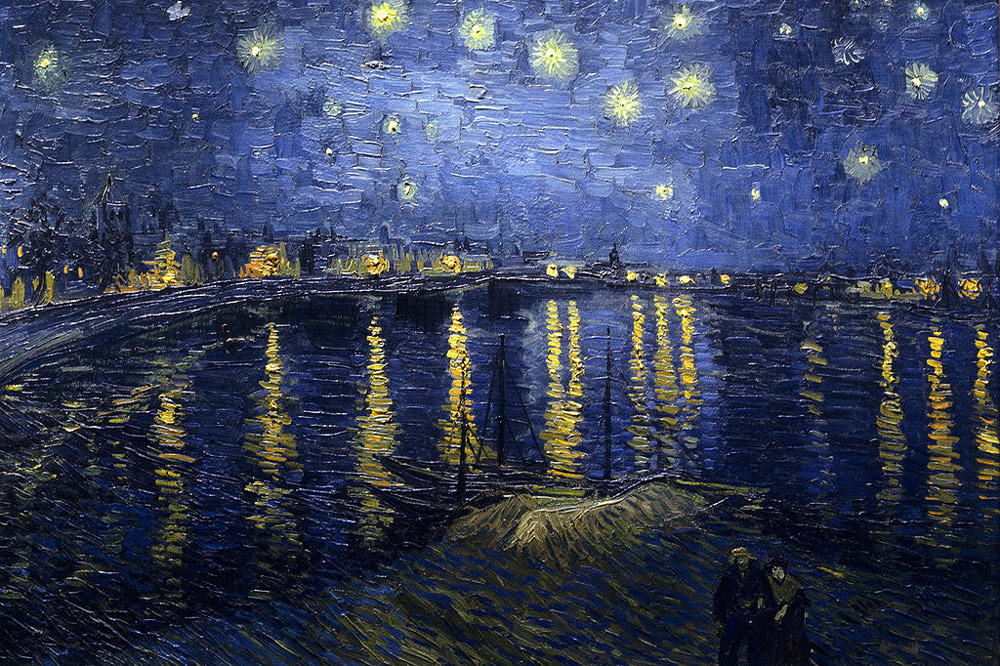
If you have ever been camping far from city lights you may have experienced the beauty of the star-filled night sky. In moments like these, you feel your smallness, the short breath of your life. And if you’re paying attention, you feel something more: wonder. King David must have felt that too. Maybe he had just sat on a hillside near Bethlehem, watching the moon rise. He looked up and didn’t see emptiness. He saw majesty, and he was moved to praise.
“O Lord, our Lord, how majestic is your name in all the earth!” (Psalm 8:1, ESV)
This psalm lifts our eyes to the heavens and reminds us of our worth. We are small, yes, but not forgotten. Made from dust, yet crowned with glory. Fallen, yet still called to steward creation and honor the Creator.
Psalm 8 follows a series of darker psalms, full of lament, conflict, and sin. Then comes this burst of light. Theologian Nikolaus Selnecker called it “gospel refreshment after cross-bearing.” Like sunlight after storm. In Psalm 8, creation and redemption come together. Majesty and humility meet. The same God who scattered the stars lay in a manger and died on a cross.
1. God’s Majestic Name (Psalm 8:1–2)
“O Lord, our Lord, how majestic is your name in all the earth! You have set your glory above the heavens.” (Psalm 8:1, ESV)
In the opening of this psalm David names God twice: “O LORD” (Yahweh), the eternal, covenant-keeping God, and “our Lord” (Adonai), the sovereign King. These names together proclaim that the God of the cosmos is also personally present and in command. God’s name here refers not just to His essence but to how He reveals Himself through mercy, power, and providence. His glory stretches beyond the stars. The heavens declare His majesty, but even they fall short of capturing it fully. Gregory of Nazianzus called creation only the “back parts” of God, glimpses of glory too pure for us to see in full.
Yet David shifts the focus from the sky to something surprising:
“Out of the mouth of babies and infants, you have established strength because of your foes, to still the enemy and the avenger.” (Psalm 8:2, ESV)
Here God silences enemies with the voices of the weak. Paul echoes this in 1 Corinthians 1:27, where God chooses the weak to shame the strong, so that no one may boast. There are enemies, both spiritual and human. And God chooses to answer them through the praises of the powerless. That is a deeper glory.
This praise does not come only from the mature. It comes from “beginners in the faith,” those whose worship is raw and real. Martin Luther added that “infants and sucklings” include anyone who clings to God’s Word with simple trust. Not with eloquence, but with faith. Calvin grounds the image even further. Real babies, real nursing infants, glorify God simply by existing. Their dependence, their need, and their quiet strength all preach a sermon of divine generosity.
Jesus confirms this when children shout “Hosanna” in the temple. The religious elite object, but Jesus quotes Psalm 8: “Out of the mouth of infants… you have prepared praise” (Matthew 21:16). The children saw what the scholars missed. The Messiah had come.
That true majesty is not always loud. True strength is not always visible. God’s glory fills the skies, but it also rests in nurseries and prayer closets. His enemies are not defeated with force, but with praise. And His name (Yahweh, Adonai) is praised across creation, from stars to strollers.
2. God’s Care for Us
“When I look at your heavens, the work of your fingers,
the moon and the stars, which you have set in place,
what is man that you are mindful of him,
and the son of man that you care for him?”
(Psalm 8:3–4, ESV)
David’s question is not doubt but wonder. Standing under a clear night sky, he is overwhelmed. The stars shine above him, and he sees not randomness but design. He calls them “the work of your fingers,” showing how effortlessly God formed the universe. Chrysostom saw this language as deliberate, describing something delicate, precise, and controlled. The heavens were not stumbled into. They were placed, appointed, and intentional. God is not confined to the heavens. He crafted them but is greater still. He holds the earth in His hand, infinite yet present, vast yet near. And David, looking up, asks: Why do you care for us?
This is the ache and awe of humanity. We are small, fleeting, like a breath. Yet God remembers us. More than that, He visits us. The Hebrew word for “care” implies action. God’s attention is not passive. It is personal and engaged.
The stability of the heavens as a sermon in itself. Their order reveals the wisdom and faithfulness of the One who made them. Creation is a teacher, showing us God’s presence and power. The heavens were not made to be worshiped, but to point us to the One who made them for our good.
Clement of Alexandria warned that pagan philosophers got close to the truth. They saw that man was made to contemplate the heavens but stopped short. They worshiped the stars instead of their Maker. David did not make that mistake. He looked at creation and saw fingerprints. He saw purpose. He saw love.
So again he asks: What is man? Man is not forgotten. He is honored. We are fragile in flesh, but destined for glory. We are both lowly and noble. Gregory of Nazianzus puts it plainly. We are small and great, mortal and immortal. That is the paradox of being human. When reflection on this psalm Augustine noted that “Man” speaks of our earthly nature, but “Son of man” points forward to Christ and to those reborn in Him. To them, God does not simply think. He draws near. And this nearness reaches its highest point in the Incarnation. The real wonder is not just that God made the stars, but that He lifted mankind above them. Not by nature, but by grace.
The psalm’s verbs point forward. “That you are mindful of him… that you care for him.” This is prophecy. It looks to Christ. Hebrews 2 confirms it. Jesus, the Son of Man, fulfills this psalm. He entered the world He made. He walked among us. He suffered with us. He died for us. He rose to share His glory with us.
This is the wonder. The God who formed galaxies with His fingers engraved your name on His hands. The One who set the stars in place calls you His own. The One who shaped the moon came down to save you.
So David asks, “What is man?” We are dust, but remembered. Rebels, but redeemed. Wanderers, but visited. We are not forgotten. We are not lost in the universe. We are known. We are loved. And in Christ, we are raised. So look up at the stars. But do not stop at awe. Let it lead to worship. The heavens show His glory. The cross shows His love.
3. Man is Exalted Under God (Psalm 8:5–9)
David has just marveled at the heavens. Now he turns to man. The question still lingers: What is man?
“Yet you have made him a little lower than the heavenly beings and crowned him with glory and honor.”
(Psalm 8:5, ESV)
The phrase “a little lower than the heavenly beings” uses the Hebrew Elohim, typically a name for God. Whether translated as “God,” “angels,” or “heavenly beings,” the meaning is clear. Humanity holds a place of unique dignity, set apart in creation. This nearness to the divine is not by nature, but by grace. It echoes Genesis 1:26: “Let us make man in our image.” This was no accident. God created us with intention, to reflect His character.
We were not just made. We were “crowned with glory and honor.” Early Christian commentators saw this as a twofold gift. Glory speaks to inward virtue, and honor to outward authority. Both reflect our role as image-bearers and stewards.
“You have given him dominion over the works of your hands; you have put all things under his feet.”
(Psalm 8:6, ESV)
This dominion was not earned. It was entrusted. Humanity was given rule over all creatures, not by might, but by God’s mercy. Psalm 8:7–8 lists them: sheep, oxen, wild beasts, birds, fish. Creation in its fullness, just as described in Genesis 1. But something broke. Sin shattered that harmony. Adam’s crown was traded for thorns. The ground resisted. Creation groaned. We still bear God’s image, but our dominion is fractured.
Yet Psalm 8 still speaks. The promise remains because it finds its fulfillment in Christ. Hebrews 2 declares:
“At present, we do not yet see everything in subjection to him. But we see him… namely Jesus, crowned with glory and honor because of the suffering of death.”
(Hebrews 2:8–9, ESV)
Jesus stepped into our lowliness. He bore the curse. He wore a crown of thorns so we could be crowned with glory. His suffering was not only physical but included spiritual separation, so we could be brought near. Because He humbled Himself, He reigns. And in Him, we are not just restored. We are elevated. As co-heirs with Christ, our future includes a renewed dominion, where creation is once again under our care.
Even now, angels recognize Christ’s exalted humanity, though we still struggle to see it. But the day is coming when His rule will be visible and complete. Until then, we live with restored dignity. We walk in purpose. And we wait for the day when every crown, every creature, and every knee will bow before the risen King.
The psalm then ends where it began:
“O Lord, our Lord, how majestic is your name in all the earth!” (Psalm 8:9, ESV)
This closing refrain forms a frame that holds everything together. All creation, all dignity, and all dominion ultimately lead to praise. While man has dominion, the goal was never only that humanity would rule. It was always that we would recognize who truly reigns. God’s name is majestic not only in the heavens but in every corner of the earth. It must be confessed, proclaimed, and treasured.
Paul echoes this in Philippians 2:
“At the name of Jesus every knee should bow… and every tongue confess that Jesus Christ is Lord, to the glory of God the Father.” (Philippians 2:10–11, ESV)
Psalm 8 leads us here. Not to human greatness, but to divine glory. These truths are not cold theology. They are fuel for love, obedience, and awe. Psalm 8 begins in glory, moves through wonder, affirms dignity, promises redemption, and ends in worship. Let the Church rise and say:
“O Lord, our Lord, how majestic is your name in all the earth!” (Psalm 8:9, ESV)
 hardincrowder.com