Praise the Lord with All Your Heart (Psalm 9:1–10)
Have you ever had a near death experience, a time when you realized just how close you almost came to experiencing death? Maybe it was a near-miss on the highway. Maybe it was a medical scare that turned out to be a false alarm. Or maybe it was a crushing trial that nearly broke your spirit. But here you are. Still standing. Still breathing. Still here by the mercy of God. Have you stopped to thank Him?
David did. And not just with a polite nod of thanks, but with an overflowing heart.
Psalm 9 is David’s song of survival and celebration. But it is more than personal gratitude. It is a public proclamation of the God who reigns in justice, defends the oppressed, and never forgets His people. David doesn’t whisper his thanks. He doesn’t murmur his praise. He shouts it from the heart, a heart undivided.
David begins, “I will give thanks to the Lord with my whole heart; I will recount all of your wonderful deeds” (Psalm 9:1). This is not halfway worship. This is full-throttle devotion. David gives God the undivided affection of his soul. He isn’t juggling praise with politics or mixing worship with worry. He isn’t holding on to bitterness with one hand while lifting the other in praise. No. His praise is pure. As Theodoret of Cyr once said, “It is characteristic of the perfect to dedicate their whole heart to God.” Note that by “perfect” Theodoret didn’t mean sinless, but rather he meant the spiritually mature.
David had seen the hand of God move. He wasn’t content to keep that to himself. He knew that worship is not only reverence; it is revelation. When we recount what God has done, we do more than remember. We reveal. We testify. We open a window for others to see the character of God.
David declares, “I will be glad and exult in you; I will sing praise to your name, O Most High.” David’s gladness is rooted in joy. It comes from the knowledge of who God is. Chrysostom called it “the real pleasure,” the joy found in God alone. David sings to God not like a man checking a religious box, but like a lover praising the beauty of his beloved. He is not just singing about God; he is singing to God.
And then in verse 3: “When my enemies turn back, they stumble and perish before your presence” (Psalm 9:3) David had enemies. Real ones. Armed ones. Ruthless ones. But they didn’t fall because David was clever or strong. They fell because God showed up. His presence alone undid them. Chrysostom said that even God’s gaze is enough to undo the wicked. The strong are shaken, the proud fall, the mighty are erased from memory. Because God was there. The fear of man is no match for the presence of God.
David then sings, “You have rebuked the nations; you have made the wicked perish; you have blotted out their name forever and ever.” (Psalm 9:5). David isn’t just being poetic. He is being prophetic. He saw enemies like the Philistines, Moabites, and Edomites rise in defiance against God’s people and fall. They do not fall because Israel was strong, but because God was faithful. And He still is.
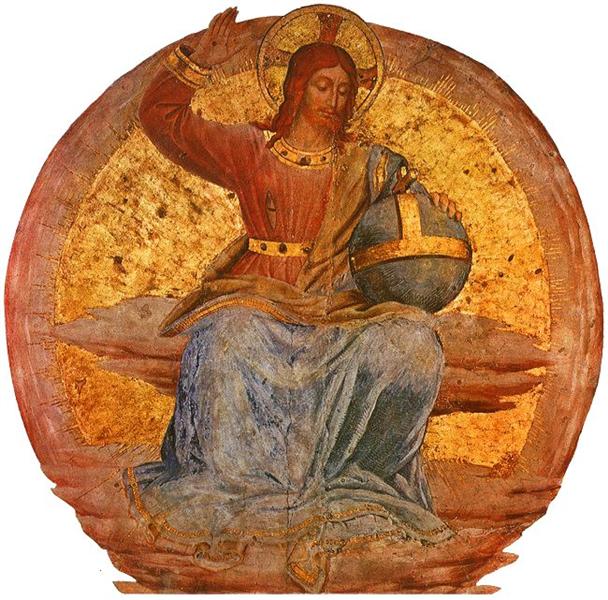
Continuing, David declares, “The enemy came to an end in everlasting ruins; their cities you rooted out; the very memory of them has perished” (Psalm 9:6). God’s justice is not abstract. It leaves footprints. Once-proud cities lay in dust. Once-feared names are forgotten. But above their ruins stands a throne that cannot be toppled. And that is the contrast in verse 7: “But the Lord sits enthroned forever; he has established his throne for justice.”
While kingdoms fall and power fades, God’s rule never budges. He doesn’t reign by popular vote. He does not rise or fall with polls. He sits. And not only sits, but judges. Verse 8 declares: “And he judges the world with righteousness; he judges the peoples with uprightness.”
Unlike human judges, He cannot be bribed. He does not guess. He needs no counsel. He never rules in ignorance. Chrysostom again reminds us that human courts often err out of ignorance or laziness. But God judges rightly, always, because He knows all.
Here’s the turn that should stir every believer’s soul: His justice is not just to punish. It is to restore. It is to heal. It is to make things right. It is the judgment all creation groans for. The justice that every soul craves.
“The Lord is a stronghold for the oppressed, a stronghold in times of trouble” (Psalm 9:9). This verse is not a slogan. It’s a lifeline. David speaks as a man who’s been on the run, who’s been hunted. And still, he testifies: God was my safe place. My stronghold. Not in theory. In reality.
This refuge is not locked behind rituals. It’s available to the broken. Accessible to the weak. Open to the seeking. “And those who know your name put their trust in you, for you, O Lord, have not forsaken those who seek you” (Psalm 9:10).
To know God’s name is to know His heart. Faithful. Just. Present. It is more than knowing about Him. It is knowing Him. Augustine said it well: those who know God’s name have come to know the One whose name it is. That knowledge breeds trust, and that trust brings peace.
So, what about you? Are you praising the Lord with your whole heart? Or have you partitioned your praise? Kept some affection in reserve? Have you said “Amen” on Sunday, but lived in fear on Monday? Have you reserved your trust for something else, like your bank account, your talent, or your control?
David praised God not just because he had been delivered, but because he knew the Deliverer. He praised Him for His acts and for His nature. His song was rooted in conviction, not convenience. Will you sing the same song?
Let this be your habit: remember, recount, rejoice. Speak of what God has done. Celebrate who He is. Let your whole heart rise in worship.
Proclaim His Justice to Others (Psalm 9:11–14)
David doesn’t stop with private worship. He invites others to join in. Praise turns outward. Testimony becomes proclamation. David cries out, “Sing praises to the Lord, who sits enthroned in Zion! Tell among the peoples his deeds!” (Psalm 9:11). This is worship on mission. This is praise with a purpose. We don’t sing just to feel uplifted; we sing to make God known. Worship and witness are not separate. They belong together.
You may not stand behind a pulpit, but if you have a testimony, you have a voice. Has God saved you? Tell it. Has He answered prayer? Share it. Has He carried you through grief? Speak it. Silence in the face of salvation robs God of glory and robs others of hope. The world is aching to see something real, something holy, something true. Let them hear it in your story. Let them see it in your song. The Church is the new Zion. As Chrysostom said, it is firm, solid, and unshakable. And from this people, the fire of praise must spread to the nations.
God sees every tear. He hears every groan. He knows the cries of the abused, the oppressed, and the forgotten. He does not turn away. He does not dismiss. He does not forget. His justice is personal. So David cries out: “For he who avenges blood is mindful of them; he does not forget the cry of the afflicted.Be gracious to me, O Lord! See my affliction from those who hate me, O you who lift me up from the gates of death.” (Psalm 9:12-13)
David is not appealing to his own worthiness. He asks for grace, not reward. He leans on mercy, not merit. And he names God for what He has done: “you who lift me up from the gates of death.” That is not poetic flair. That is personal testimony. It is the voice of someone who knows what it is like to be at the edge and be rescued.
And why does David ask for rescue? Not just to survive, but to praise. “That I may recount all your praises, that in the gates of the daughter of Zion I may rejoice in your salvation.” (Psalm 9:14). He wants to worship publicly, not just privately. He wants to give glory at the gates where the people gather. He wants his deliverance to lead to praise, and his praise to lead others to hope. Real salvation leads to real worship. And real worship draws others to the God who saves.
Trust in the Certainty of God’s Justice (Psalm 9:15–20)
Now David shifts our focus to the long view. He lifts our eyes beyond the moment. Beyond panic. Beyond appearances. Because sometimes it feels like evil is winning. Sometimes it looks like the wicked are in control. But David wants us to see what is really happening behind the noise: God’s justice is certain. It will not be mocked. It will not be rushed. And it will not fail.
Verse 15 says, “The nations have sunk in the pit that they made; in the net that they hid, their own foot has been caught” (Psalm 9:15). This is the divine irony of sin. Evil lays a trap and ends up ensnared. The wicked dig pits for others but fall in themselves. Sin always turns inward. It destroys its maker. David is not gloating here. He is not delighting in anyone’s fall. He is showing us the way God works. The justice of God is not just punishment; it is reversal. It takes what was meant for harm and turns it back on the one who plotted it.
Then in verse 16: “The Lord has made himself known; he has executed judgment; the wicked are snared in the work of their own hands” (Psalm 9:16). God does not stay silent forever. When He moves in judgment, He makes Himself known. His hand is unmistakable. His verdict is clear. There is no confusion when God acts. The wicked fall into their own schemes, and the world watches justice unfold. The trap they set becomes the testimony against them.
Then comes the warning in verse 17: “The wicked shall return to Sheol, all the nations that forget God” (Psalm 9:17). This is more than physical death. It is spiritual collapse. And David does not just speak to individuals here. He speaks to entire cultures and entire nations. When a people forget God, when they erase His name, reject His ways, and ignore His voice, they chart a course toward destruction. The further a nation walks from God, the closer it walks to ruin. It is not progress when God is forgotten. It is collapse in disguise.
But David does not leave us there. He gives us a promise, a lifeline of hope. “For the needy shall not always be forgotten, and the hope of the poor shall not perish forever” (Psalm 9:18). What a rock to stand on! Spurgeon called this a promise carved into heaven’s foundation. The world may ignore the broken. The proud may trample the poor. But God never forgets. The downtrodden are not lost in the crowd. The weak are not overlooked. Their hope will not rot in silence. It will rise.
And David knows what to do with this kind of truth. He prays. Boldly. Urgently. With faith on fire: “Arise, O Lord! Let not man prevail; let the nations be judged before you! Put them in fear, O Lord! Let the nations know that they are but men!” (Psalm 9:19–20). This is not a prayer for vengeance. It is a cry for awakening. David asks God to move, not just to punish the wicked, but to humble the proud. To remind the earth that no man is ultimate. That no throne on earth is permanent. That all of us, no matter our power or pride, are dust before God.
David’s prayer is prophetic. It stretches into our day. It calls out over every arrogant ruler and every corrupt system. It reminds every generation: you are not God. You are only human. And that is the point. David prays this so that the world would turn. So that pride would break. So that repentance would rise. This is not about domination. It is about restoration. He asks God to intervene so that people might remember their need and run to the only true refuge. Because only when we realize we are not God do we begin to seek the One who is.
Conclusion: The Lion and the Lamb Reigns Forever
Psalm 9 is more than ancient poetry. It is a present anthem. It is our song. It is the truth our hearts need in a world full of broken justice. God still judges rightly. He still reigns eternally. He still defends the weak and walks with the wounded. And in Jesus Christ, every line of this psalm finds its ultimate fulfillment. He is the Lion who conquers. The Lamb who was slain. The Judge who knows. The Savior who heals. So praise Him with your whole heart. Proclaim Him with bold witness. And trust Him with unwavering hope. Justice is coming. The Judge is near. And His name is worthy of your highest song. Amen.
 hardincrowder.com