Introduction
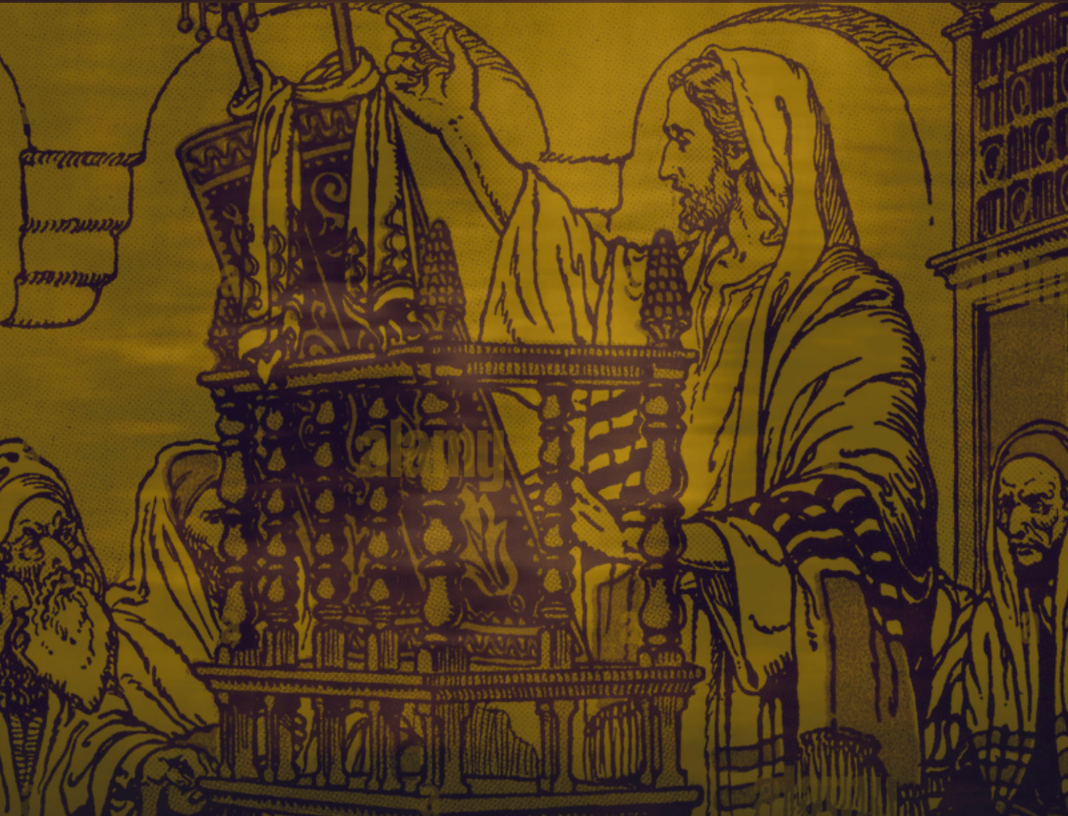
In Luke 4, Jesus returned to his hometown of Nazareth, not just as the carpenter’s son, but as the Spirit-filled messenger of God’s Kingdom. He stood in the synagogue where he had worshipped as a boy. He read from Isaiah 61. Then he said something surprising: “Today this Scripture has been fulfilled in your hearing.” It was a moment of revealing, of divine invitation. But instead of belief, there was doubt. Instead of faith, anger. Instead of celebration, an attempt to kill the messiah.
This account isn’t just about Nazareth; it’s about us. What do we do when Jesus’ mission disrupts what we expect? When his truth challenges what we believe?
I. The Mission Is Proclaimed: Jesus Declares His Calling (vv. 16–20)
This Sabbath probably began like any other Sabbath in Nazareth. The familiar rhythm of synagogue life unfolded with comforting predictability.
Jesus, now known beyond Galilee’s borders, had returned to His hometown. No doubt there were whispers of miracles in Capernaum and of authority in His teaching. In Mississippi where I grew up, Jesus would have been seen as the local boy who had “made good.” Now that he was back home, it made sense to let him do the scripture reading. The attendant handed Him the scroll of Isaiah, and Jesus read:
“The Spirit of the Lord is upon me, because he has anointed me to proclaim good news to the poor. He has sent me to proclaim liberty to the captives and recovering of sight to the blind, to set at liberty those who are oppressed, to proclaim the year of the Lord’s favor.”— Luke 4:18–19
They had heard this passage before, quoted it, hoped in it, and sung it at festivals. Isaiah 61 was a favorite for a reason: it promised restoration. But Jesus did not offer commentary. He offered fulfillment.
“Today this Scripture has been fulfilled in your hearing.”— Luke 4:21
That was His sermon. One sentence. In that moment, Jesus declared His mission, His identity, and His divine agenda. He was not merely a teacher with fresh insight. He was the Anointed One with Spirit-empowered authority. His mission was nothing less than the arrival of God’s kingdom.
Each phrase in Isaiah 61, quoted in Luke 4, carries weight. Together, they form a gospel manifesto, a declaration of divine purpose:
“To proclaim good news to the poor” is not just about money, though it does include those who are financially struggling. It’s also a spiritual diagnosis. The “poor” are those who know they have nothing to offer God, those who have come to the end of themselves. They’re hungry not only for bread, but for righteousness. Jesus speaks to the spiritually empty, the outcast, and the forgotten sitting in church pews. To these, He doesn’t offer handouts. He offers the kingdom.
“Blessed are you who are poor, for yours is the kingdom of God” (Luke 6:20).
“To proclaim liberty to the captives” isn’t only about physical chains or prison cells. It also means freedom from guilt, shame, addiction, legalism, generational sin, and spiritual oppression. Jesus didn’t come to make captivity easier. He came to end it. Whether the captor is Caesar, Satan, trauma, or temptation, the gospel is a declaration of freedom. Through His cross and resurrection, Jesus doesn’t strike a deal with evil. He defeats it.
“To give sight to the blind” refers both to physical healing and to spiritual insight. In Luke, Jesus heals people who are physically blind (Luke 18:35–43), but He also opens people’s eyes to God, to themselves, and to truth. Spiritual blindness is the inability to see what matters most. It confused the crowds and hardened the Pharisees. Jesus comes not only to bring light, but to be the light.
“I am the light of the world, whoever follows me will not walk in darkness, but will have the light of life” (John 8:12).
“To set at liberty those who are oppressed” goes beyond freeing individuals. It includes people crushed by injustice, abuse, rejection, and spiritual attack. The word “oppressed” suggests ongoing weight and pressure. Jesus doesn’t turn away from this pain. He steps into it. He lifts burdens, breaks chains, heals wounds, and strengthens the weary. This is a kingdom promise, one that begins now and will be completed in the age to come.
“To proclaim the year of the Lord’s favor” points to the Year of Jubilee (Leviticus 25), when debts were forgiven, land returned, and slaves freed. It was a national reset. Jesus announces that in Him, the true Jubilee has arrived. He is the one who forgives sin and restores us to God. This “year of favor” isn’t about a date on the calendar. It’s about the presence of Christ. Wherever He is welcomed, God’s favor is at work.
Jesus stopped reading just before Isaiah’s next phrase, “the day of vengeance of our God” (Isaiah 61:2). I believe this was intentional. By ending His reading at that point, Jesus was signaling something crucial about the nature of His first coming.
In the full context of Isaiah’s prophecy, there is both promise and warning, grace and justice, healing and judgment. But in the synagogue that day, Jesus declared only the “year of the Lord’s favor.” He did so because the day of judgment had not yet come. That part of the prophecy remained unfulfilled. This was a divine pause, a comma rather than a period.
In His first coming, Jesus ushered in what the apostle Paul later described as “the favorable time” and “the day of salvation” (2 Corinthians 6:2, ESV). This is a season marked by invitation rather than condemnation. It is a time when the doors of the Kingdom are opened wide and grace is freely offered to all who will receive it. This is the age of mercy.
But the story does not end there. The same Jesus who closed the scroll that day will one day open another scroll, the scroll of judgment (Revelation 5:5–9; 20:12). The Lamb who now offers peace will return as the Judge who executes justice. The mercy offered today will not continue forever. The day of vengeance will come, just as Isaiah foretold. The time of mercy is extended, but it is not endless.
This distinction is vital. Today is not a day for indifference. It is a day for decision.
“Do you presume on the riches of his kindness and forbearance and patience, not knowing that God’s kindness is meant to lead you to repentance?” (Romans 2:4, ESV)
The kindness of God is not a sign of His absence. It is the prelude to His return. Mercy does not cancel justice. It invites us to escape it. The clock of grace is still ticking. But every moment brings us closer to the final hour. One day, the comma in Isaiah 61:2 will become an exclamation point. One day, the invitation of favor will close, and the reality of judgment will arrive. The question remains, how will we respond while it is still called “today”?
II. The People Are Provoked: Familiarity Breeds Contempt (vv. 21–27)
At first, the people of Nazareth were amazed. Jesus, having read the Isaiah scroll with authority and clarity, sat down, the posture of a rabbi ready to teach. Then came the declaration: “Today this Scripture has been fulfilled in your hearing.” The grace promised by Isaiah was no longer a distant hope. It was present, tangible, and inescapable. The people were not just hearing words about salvation, they were hearing them from the very One who embodied them.
Then something shifted. Someone asked, “Isn’t this Joseph’s son?” At first, it sounds harmless. But underneath, it was a way of dismissing Him. They were not just recalling who Jesus was. They were limiting who He could be. He was the boy they saw grow up. The man who worked with wood and stone. They thought they knew Him, and that sense of familiarity made it hard for them to see anything more.
They did not want a Savior. They wanted a show. “Do here what we heard you did in Capernaum,” they demanded. Show us a miracle. Prove yourself. But Jesus would not play their game. He came to speak truth, not perform tricks.
So He reminded them of something they did not want to hear. He told them that no prophet is accepted in his own hometown. Then He told two stories from their own Scriptures. In Elijah’s time, during a great famine, the prophet was not sent to the many needy widows in Israel. He was sent to a Gentile woman in Zarephath. In Elisha’s time, God did not heal an Israelite leper. He healed Naaman, a Syrian army commander. These were outsiders. People on the margins. People the Israelites would have looked down on.
These stories made a powerful point. God’s grace does not always land where people expect. Sometimes those who think they are closest to God are the ones who miss Him the most. And sometimes the ones who are far off are the first to believe.
We face the same danger today. We can become so used to Jesus that we stop really seeing Him. He becomes familiar, even forgettable. And when that happens, we miss His voice, His power, and His grace.
There is an interesting true story I came across about an art historian named Gergely Barki. In 2009, he was watching the movie Stuart Little with his daughter when he spotted something strange. A painting on the wall behind the actors caught his eye. He recognized it. It turned out to be a long-lost masterpiece by Hungarian artist Róbert Berény, missing for eighty years. Someone had bought it without knowing what it was. For years, people had walked past it without realizing its value. It took someone with the eyes to see it for what it truly was. That is how it is with Jesus. We can grow so used to Him that we no longer treasure Him. We can hear sermons, read Scripture, go to church, and still miss who He really is.
The people of Nazareth missed Him because they thought they already knew Him. They wanted Him to fit their expectations. But Jesus does not fit into our categories. Jesus’ reference to the widow of Zarephath and Naaman the Syrian was not just historical recollection. It was a declaration of God’s sovereign grace that extends beyond the boundaries of Israel, an early echo of sola gratia. As Matthew Barrett notes,”Grace is scandalous precisely because it is sovereign. It is not obligated, not conditioned, not provoked by anything in the sinner. It is free, unmerited, and contrary to expectation” (The Doctrine on Which the Church Stands or Falls, p. 24). The people of Nazareth were offended because divine grace challenged their assumptions of privilege. However, Jesus is not here to entertain us or simply affirm us. He comes to call us, challenge us, and change us.
So the question is not just about them. It is about us. Are we still listening? Are we still open? Can we see Jesus not just as familiar, but as glorious? The people of Nazareth could not handle Him because He did not meet their expectations. Can we?
III. The Truth Is Rejected: The Human Heart Exposed (vv. 28–30)
The reaction of the synagogue crowd is immediate and shocking. The very people who, moments earlier, were marveling at Jesus’ gracious words now erupt in fury. Admiration turns to aggression. Awe gives way to outrage. Why? Because Jesus had not merely interpreted Scripture; He had interpreted them.
Jesus did what every faithful prophet does: He exposed the heart. He uncovered the spiritual entitlement buried beneath their religiosity. By reminding them that God’s blessings were extended to Gentiles, outsiders like the widow of Zarephath and Naaman the Syrian, Jesus wasn’t offering a history lesson. He was issuing a spiritual indictment. And they got the message.
This wasn’t just theological disagreement; it was personal offense. Jesus had undermined their assumptions, challenged their identity, and stripped away their illusions of moral superiority. And when people feel exposed, they either repent or retaliate.
Luke draws a powerful parallel between this moment and the stoning of Stephen in Acts 7. Both Jesus and Stephen confront their hearers with the truth that they have rejected God’s messengers, and both are met with violent rage. In both cases, the crowd becomes a mob, driven not by reason but by wrath (Acts 7:54–60; cf. Luke 4:24–27).
Verse 29 reveals the intensity of their rejection: they attempt to enact lynch law, dragging Jesus to the edge of a cliff, a probable stoning site, intending to silence Him permanently. The detail underscores the gravity of the offense: to them, this was blasphemy worthy of death.
But then, something extraordinary happens.
“But passing through their midst, He went away.” (Luke 4:30)
No resistance. No dramatic escape. Just sovereign, silent withdrawal. It is not cowardice; it is clarity. Jesus is not at their mercy. His hour had not yet come (cf. John 7:30; 8:59). His mission would culminate not on a cliff in Nazareth, but on a cross outside Jerusalem.
Jesus’ rejection mirrors the consistent pattern of prophetic ministry: truth brings division. As Thomas Oden explains, “The prophet comes not to bring comfort but to disturb those at ease in Zion. He is a divine emissary whose very presence calls for decision and often provokes resistance” (Classic Christianity: A Systematic Theology, p. 309). Jesus, as the final prophet, embodies this role fully.
Jesus still speaks truth that exposes. He still confronts our entitlement, our pride, our comfortable assumptions. And like the crowd in Nazareth, we are faced with a choice: Will we rage or repent? Will we try to cast Him out or will we cast ourselves upon Him? His truth will unsettle us before it saves us. The question is not whether He will confront us; the question is whether we will receive Him.
This moment is rich in irony and prophecy. The one they sought to throw down would one day lay down His life willingly. The rejection of Nazareth foreshadows the greater rejection to come. And yet, it also reminds us of the mercy of Christ. He walks away, but He does not retaliate. He leaves room for grace, even for those who tried to kill Him.
Conclusion:
This passage is more than a story about Nazareth’s rejection of Jesus. It is a mirror held up to every heart. What happened in that synagogue is not just a snapshot of history. It is a pattern, a warning, and an invitation.
The people of Nazareth saw Jesus with familiar eyes. They had watched Him grow up, knew His family, heard His voice long before it carried divine weight. But when He stood before them, not just as Joseph’s son but as God’s anointed, the Spirit-empowered messenger of salvation, they could not see past what they thought they knew. Familiarity blinded them to glory.
They marveled at His gracious words but refused to be moved. Their admiration quickly turned to accusation. Their curiosity turned into contempt. Why? Because pride stiffens the soul against grace. Because the demand for signs and proofs can harden a heart to the truth standing right in front of it.
Jesus knew their thoughts before they spoke. He exposed their objections before they could voice them. He confronted their expectations and refused to perform for their approval. Instead, He pointed them to stories they did not want to hear—stories of outsiders receiving the blessings Israel had ignored. That was too much. The same crowd that moments earlier spoke well of Him now tried to kill Him.
Jesus began His public ministry not with applause but with attempted murder. And still, He went. Still, He spoke. Still, He offered truth. Rejection did not stop Him. It revealed Him. It showed Him to be the true prophet, the one rejected in His own town, the one who would be rejected again in Jerusalem. This rejection was not failure. It was part of the divine pattern. It confirmed His identity and moved His mission forward.
So now the question shifts from the crowd at Nazareth to us. How will we respond? Will we be like the crowd in Nazareth; impressed but unwilling, curious but resistant? Will we demand proof before surrender, signs before faith, comfort before conviction?Or will we receive Him, not as a familiar figure or a spiritual performer, but as He truly is: the Anointed One, the Liberator, the Savior?
Works Cited
Barrett, Matthew. The Doctrine on Which the Church Stands or Falls: Justification in Biblical, Theological, Historical, and Pastoral Perspective. Crossway, 2019.
Crossway. The Holy Bible: English Standard Version. Wheaton, IL: Crossway, 2016.
Oden, Thomas C. Classic Christianity: A Systematic Theology. HarperOne, 2009.
Works Consulted
Crossway. ESV Gospel Transformation Study Bible: Christ in All of Scripture, Grace for All of Life. Edited by Dane C. Ortlund and Miles V. Van Pelt. Wheaton, IL: Crossway, 2013.
Holman Bible Publishers. CSB Life Connections Study Bible. Nashville, TN: Holman Bible Publishers, 2020.
Lee, E. Daniel, general editor. CSB Disciple’s Study Bible. Nashville, TN: Holman Bible Publishers, 2017.
Beeke, Joel R., general editor. The Reformation Heritage KJV Study Bible. Grand Rapids, MI: Reformation Heritage Books, 2014.
Marshall, I. Howard. The Gospel of Luke. Vol. 35 of Word Biblical Commentary. Grand Rapids, MI: Zondervan, 1978.
 hardincrowder.com