Introduction:
Last week, we followed Jesus to the Sea of Galilee, where He called Peter, Andrew, James, and John. At His simple command, “Follow Me,” they dropped everything. Today, the story continues. Jesus takes His new disciples into Capernaum. Just like in Nazareth, the first thing He does is head straight to the synagogue and start teaching.
Ministry Begins with Worship
“And they went into Capernaum, and immediately on the Sabbath he entered the synagogue and was teaching.”
(Mark 1:21)“And he went down to Capernaum, a city of Galilee. And he was teaching them on the Sabbath, and they were astonished at his teaching, for his word possessed authority.”
(Luke 4:31–32)
In first-century Jewish life, the synagogue was the spiritual center of the community. It was a place for reading Scripture, praying, and teaching. There were no temple sacrifices in Capernaum. No priestly rituals. Just a room, a scroll, and people gathered to listen. By starting here, Jesus was making a theological point: ministry begins with God’s Word among God’s people.
It is also important that this happened on the Sabbath, the day of rest established by God. This moment recalls Genesis 2, when God rested after creation. So why does Jesus begin His ministry on the Sabbath? Because He is beginning a new creation. Just as God spoke the world into being, Jesus now speaks new life into being through His Word. The synagogue becomes like Eden. The Sabbath becomes the beginning of re-creation.
When we skip worship in favor of action, we flip the gospel upside down. Jesus shows us that we are meant to work from rest and worship, not strive toward it. Ministry is meant to flow out of communion with God, not just constant activity. Jesus made the Word of God and the act of preaching a priority. We should do the same.
The response to His teaching was immediate and intense:
“And they were astonished at his teaching, for he taught them as one who had authority, and not as the scribes.”
(Mark 1:22)“…for his word possessed authority.”
(Luke 4:32)
Unlike the scribes, who leaned on citations such as “Rabbi so-and-so said,” Jesus didn’t borrow authority. He didn’t quote Scripture like a commentator. He spoke like the Author. He didn’t just explain truth. He embodied it. His Word didn’t merely inform. It transformed.
The crowd wasn’t politely impressed. They were stunned. The Greek word ekplēssōmeans to be overwhelmed, shaken, even frightened. Imagine hearing a sermon so powerful that it left you trembling.
Mark’s Gospel is often called the “action gospel” because of its fast-paced narrative. But even Mark refers to Jesus as “Teacher” twelve times. He uses “teaching” five times and “taught” fifteen times. Teaching wasn’t a side task. It was central to who Jesus was. Yes, He healed the sick and cast out demons. But before any of that, He taught. His miracles flowed from His message and always pointed back to it.
And what was that message? That the Kingdom of God had come near (Mark 1:15). Some people are eager to get moving, get results, and make an impact. That drive can be good. But if Jesus began with worship and teaching, so should we. He reminds us that spiritual power starts in quiet places: weekly worship, faithful study, and simple devotion.
This doesn’t mean we should avoid serving others. We are called to visit the sick, feed the hungry, clothe the poor, and preach the gospel. But if we don’t begin with God’s Word and worship, we risk running on empty. You cannot pour into others if your own cup is dry.
When Worship Becomes Warfare
Jesus began His ministry in Capernaum with worship and the Word. But what starts as a simple teaching session quickly turns into a confrontation with evil. This isn’t a disruption. It’s divine timing. Wherever truth is declared, the enemy feels threatened. And when Jesus speaks, the devil cannot stay silent.
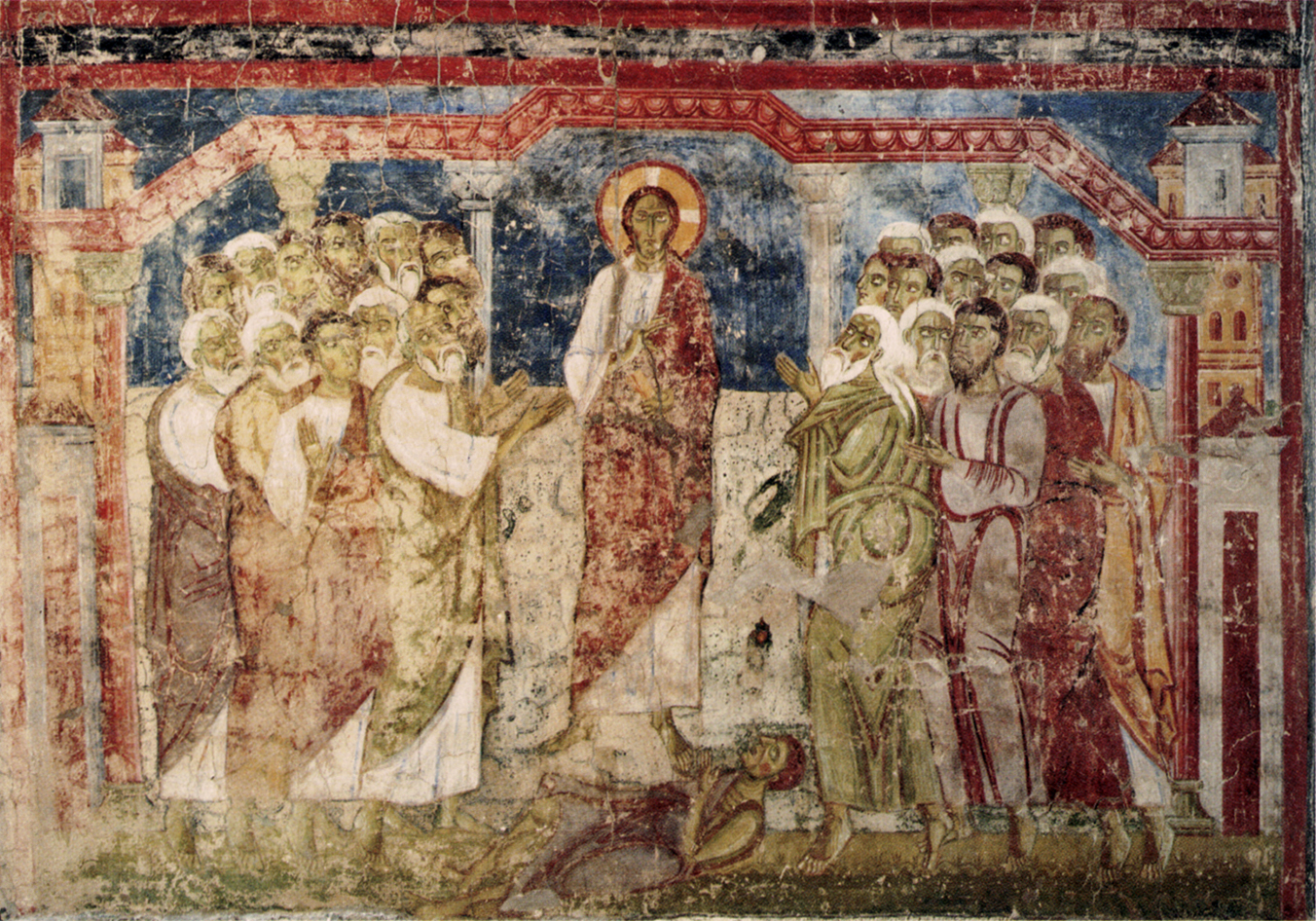
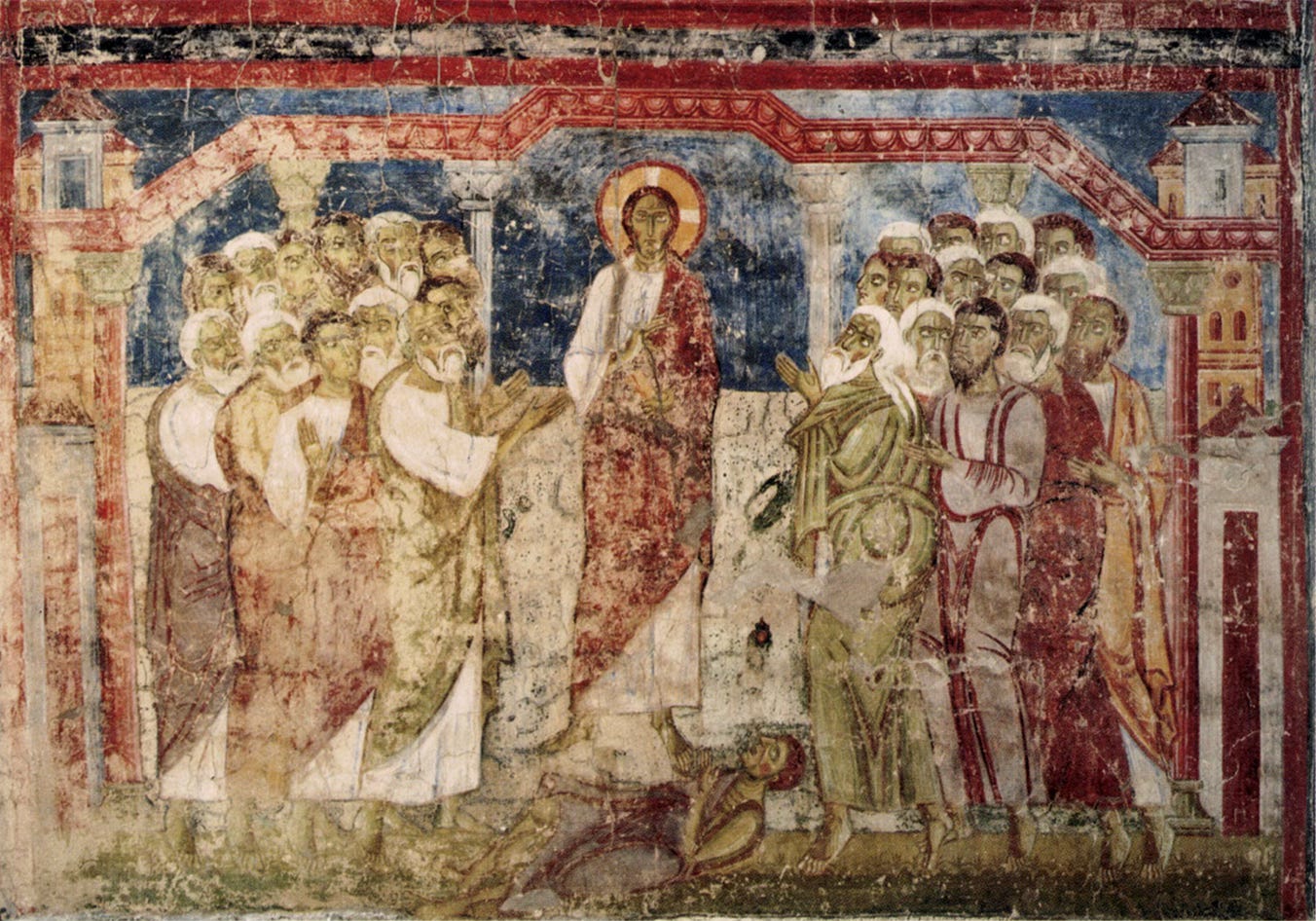
“And immediately there was in their synagogue a man with an unclean spirit.”
(Mark 1:23)
Let that sink in. Where is this demon-possessed man found? Not in a graveyard. Not in some remote wilderness. He’s sitting in the synagogue. In a house of worship. That should shake us. It also breaks some assumptions. What if some of the most spiritually bound people are not outside the church, but sitting in pews every week? What if religious behavior can hide real bondage?
The truth is this: attending church doesn’t equal spiritual freedom. Religious buildings don’t block demonic influence. Demons are not afraid of stained glass. They are afraid of the presence of Jesus.
This moment also reveals something deeper. Demons infiltrate religious spaces. Sacred places have always been battlefields in the war between light and darkness. The synagogue was no exception. The enemy tries to defile or distract, even in holy spaces. The idea that darkness cannot operate inside religious settings is false. If demons sat in first-century synagogues, they can sit in twenty-first-century sanctuaries.
“What have you to do with us, Jesus of Nazareth? Have you come to destroy us? I know who you are, the Holy One of God.”
(Mark 1:24)
Notice that. The demon knows exactly who Jesus is. There is no confusion in hell. While religious leaders argue over His identity, the demons recognize His authority. But recognition is not submission. Demons believe in Jesus. They just don’t surrender to Him.
This echoes James 2:19: “Even the demons believe and shudder.” Demons have accurate theology. They understand who Jesus is. They understand what He came to do. But their belief is not saving faith. It is possible to sit under sound teaching and still be spiritually enslaved. The real question is not whether we know His name. The question is whether He rules our lives.
And now Peter, Andrew, James, and John are witnessing this unfold. This is their first glimpse of ministry in action. Imagine their shock: “We followed a rabbi, and now we’re in a spiritual battle?” This moment teaches them, and us, that following Jesus means confronting what is hidden. His Word doesn’t just inspire. It exposes.
Then comes the breakthrough.
“But Jesus rebuked him, saying, ‘Be silent, and come out of him!’”
(Mark 1:25)
The word “rebuke” is the same used when Jesus calms a storm. It speaks of absolute authority. And “be silent” literally means “be muzzled.” Jesus shuts the demon down with one sentence. No rituals. No formulas. No spectacle. He doesn’t need theatrics. He is the authority.
In Jesus’ day, Jewish exorcisms followed traditions connected to Solomon. They used incantations, sacred objects, fumigation, and naming demons in public rituals. Jesus used none of that. He cast out evil with a single command. His power came from who He is, not from what He did. Demons are not afraid of rituals. They are afraid of God’s presence.
“And the unclean spirit, convulsing him and crying out with a loud voice, came out of him.”
(Mark 1:26)
The demon makes a scene. It screams and thrashes. But it leaves. It doesn’t get the last word. When Jesus commands, even hell obeys. The confrontation is loud, but the outcome is never in doubt.
Luke includes an additional detail in his account:
“…and when the demon had thrown him down in their midst, he came out of him, having done him no harm.”
(Luke 4:35)
Don’t miss that. Jesus doesn’t just drive out darkness. He protects the man. The deliverance is complete. He doesn’t just expose evil. He restores what evil tried to ruin.
This shows us something profound: Jesus’ deliverance is restorative, not just forceful. He rescues and heals. His ministry doesn’t only neutralize the enemy. It renews the image of God in the oppressed. Demons are not just nuisances. They are hostile spirits that hate humanity because we bear God’s image. Deliverance, then, is both a spiritual battle and an act of deep compassion.
Are we making room for this kind of Jesus? Not just the Teacher, but the Deliverer. The Conquerer. The Healer. He still silences demons. He still frees the bound. He still speaks with unmatched authority. And when He does, darkness has no choice but to flee.
Tremble At His Voice
A man has just been delivered. A demon has fled. Jesus has spoken, and what began as a routine Sabbath has become a moment no one can forget. That is the point. Because when Jesus teaches and triumphs, you do not walk away the same.
“And they were all amazed, so that they questioned among themselves, saying, ‘What is this? A new teaching with authority! He commands even the unclean spirits, and they obey him.’” (Mark 1:27)
The synagogue moved from quiet reverence to stunned amazement. These people had heard teaching before. They had listened to scribes quote rabbis and recite traditions. It is possible they may have even witnessed a Jewish exorcism once or twice in their lifetime. But this was different. This teaching did not just explain the Scriptures. It enforced them. It came with a weight that broke spiritual resistance and drove out darkness.
And notice the people’s focus. They do not say, “What a miracle.” They say, “What kind of teaching is this?” Because the Word was not just informative, it was effective.
“And they were all amazed and said to one another, ‘What is this word? For with authority and power he commands the unclean spirits, and they come out!’” (Luke 4:36)
There was no gap between what Jesus said and what happened. The people may not understand the full picture yet, but they are encountering the One who does not just carry the Word of God. He is the Word made flesh.
Now as we have been learning over the past few weeks, Jesus did not perform signs to impress. The miracle did not overshadow the message. It confirmed it. His teaching carried power because His identity carried authority.
Have we grown too comfortable with a Christianity that explains truth but no longer expects truth to transform lives and drive out darkness? If Jesus still speaks, we should expect something to move when He does. If His Word still carries authority, we should expect it to shake apathy, break chains, and silence lies.
The people in the synagogue asked the right question: “What is this?” They were stunned by Jesus. But amazement is not enough. That question must become a confession.
Let me ask you, are you still amazed by Jesus? Not, do you believe in Him. Not, do you attend church. But does His Word still shake you? Do you walk away from Scripture stunned, silent, transformed? Or has Jesus become routine? Predictable? Just another Sunday ritual?
This passage reminds us that Jesus does not just want to be understood. He wants to be worshiped. He does not just teach. He transforms. He does not just speak truth. He backs it with authority. Jesus is not just a great teacher. He is the Word that drives out darkness, and He still speaks today.
 hardincrowder.com